
The Future of Residential Energy and How Families Can Prepare
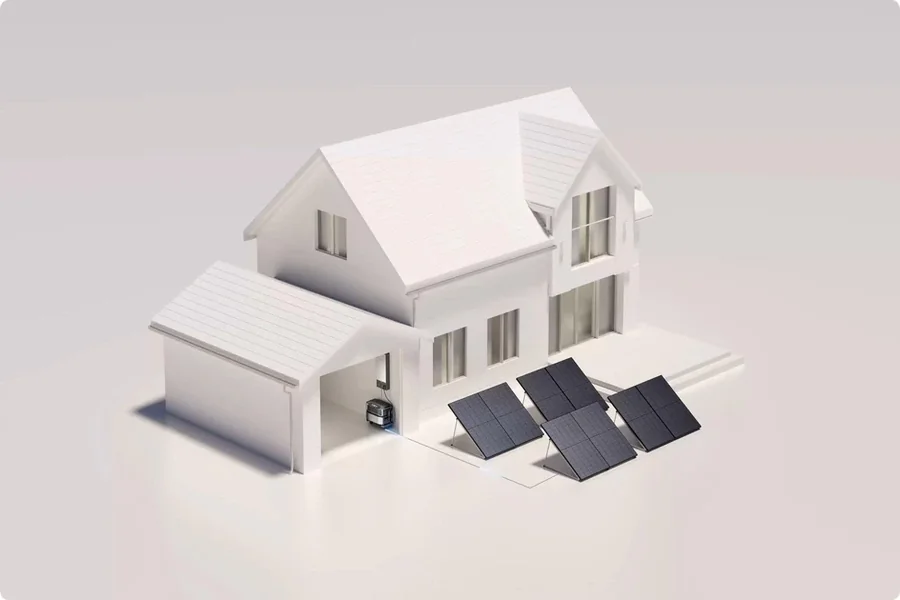
Residential energy is changing rapidly as new technologies reshape the way homes generate, store, and use power. Families today rely on more electronic devices, smarter home systems, and appliances that operate around the clock. At the same time, communities around the world are facing rising utility prices and occasional grid instability. All of this has encouraged homeowners to think ahead about how future energy systems will look and what steps they can take to prepare.
The future of home energy will involve more flexibility, greater efficiency, and stronger independence from traditional utilities. Instead of relying entirely on the grid, families will use a combination of renewable energy, improved efficiency, and smart tools to create systems tailored to their needs. Preparing for this shift doesn’t require sudden or dramatic changes. Rather, it involves understanding trends, developing good energy habits, and making upgrades that will continue to pay off for years.
One of the biggest trends shaping residential energy is the growing adoption of solar panels. They have become a major part of modern home energy planning, especially as homeowners look for long-term ways to stabilize their monthly costs. But solar is only one piece of a much larger transition. Families who understand the broader landscape will be better equipped to make smart, cost-effective decisions for the future.
Understanding the Shift Toward Energy Independence
More families are looking for ways to reduce their dependence on the grid. This doesn’t mean disconnecting entirely, but instead creating systems that provide flexibility during peak pricing hours, outages, or seasonal rate changes. Energy independence is becoming more realistic thanks to improvements in renewable technology, storage solutions, and efficient appliances.
The grid will continue to play an important role in residential energy. However, homes that can generate or store their own power will be less vulnerable to rising utility prices. This balance between grid support and home-generated energy will define the next generation of residential systems. Families that prepare early will enjoy greater stability and better control over their monthly bills.
Energy independence also helps communities. When more homes use distributed energy resources, such as solar and storage, the demand placed on local utilities becomes more manageable. This leads to fewer overload issues during heat waves or cold snaps. Families benefit individually, but they also support the resiliency of their wider area.
The Growing Role of Efficiency in Future Homes
Efficiency will remain a foundational part of residential energy planning. Homes that waste less energy will continue to see lower bills and reduced strain on their heating and cooling systems. While efficiency improvements may feel simple compared to large-scale upgrades, they have an enormous impact on long-term energy stability.
Insulation, efficient windows, and high-performing appliances are becoming standard for newer homes. Older homes benefit greatly from retrofits that improve heat retention and reduce unnecessary energy use. Even minor improvements—such as sealing air leaks or replacing older lighting—affect how much power a home needs day to day.
In the future, families will likely see greater integration between efficiency and smart technologies. Sensors, automatic controls, and monitoring systems will help households understand their energy habits and adjust them with minimal effort. Preparing for these changes now means adopting efficient practices and making gradual improvements that support a stronger energy foundation.
Renewable Energy as a Central Component
Renewable energy is set to become more common in residential environments. While solar energy is currently the leading option for homeowners, other forms of renewable power—such as small wind systems or community energy programs—may grow in popularity over time. Still, solar will remain one of the most accessible and practical choices for most families.
Panels have become more durable, more affordable, and easier to install. Their long lifespan and low maintenance requirements make them attractive for households that want predictable energy costs. As utility prices continue to change, the ability to generate free energy from the sun becomes even more valuable.
In the future, many homes will use renewable energy not just as a supplement, but as a consistent source of daily power. Families who prepare now can build systems that can expand over time, allowing them to meet growing energy demands without major disruptions. Renewable energy will be an essential part of the residential landscape, and early adoption offers substantial long-term benefits.
Energy Storage for Greater Stability
One of the most significant advancements in future energy systems will be the widespread use of battery storage. Storage systems allow families to use electricity when they need it most, not just when the sun is shining. Batteries help balance energy usage throughout the day and night, making renewable power more reliable.
Storage also improves resiliency. During outages or severe weather events, batteries provide a backup that keeps essential devices running. This reduces the stress associated with unexpected interruptions and ensures that the home stays functional during emergencies.
As pricing for storage systems becomes more competitive, more households will adopt this technology. The ability to store excess energy and use it during peak pricing hours helps families lower their monthly bills and avoid unpredictable rate changes. Preparing for this future may involve creating space for a battery system, learning about storage options, or improving home efficiency so storage becomes even more effective.
The Increasing Importance of Smart Home Integration
Smart home devices are making it easier for families to understand and control their energy use. These tools offer insights that were difficult to access in the past. Families can see which appliances use the most energy, track real-time consumption, and make small adjustments that reduce overall waste.
In the future, more appliances will come with built-in energy monitoring features. Homeowners will be able to automate heating, cooling, and lighting based on occupancy or time of day. This type of automation reduces unnecessary energy use and creates a more comfortable environment.
Smart home integration also supports renewable energy and storage systems. When devices communicate with each other, they can make automatic decisions that optimize efficiency. For example, a smart thermostat can adjust temperature settings when excess solar energy is available. Preparing for this shift involves gradually adopting smart tools and learning how they fit into daily routines.
How Electric Vehicles Will Influence Home Energy
Electric vehicles will play a major role in shaping residential energy. As more families switch to EVs, the demand for home charging will grow. This changes the way households use electricity and encourages the adoption of systems that support increased consumption.
Charging an EV adds a new layer to a home’s energy profile. Homes that generate their own power through solar panels can offset the energy needed to charge a vehicle. Some future systems may even allow EVs to supply power back to the home during emergencies.
Families preparing for this evolution can consider their future mobility needs when making energy decisions. Planning for charging capacity, upgrading electrical panels if needed, and exploring renewable options make the transition more manageable.
Long-Term Energy Planning for Households
The future of residential energy will reward families who think ahead. Long-term planning involves understanding how lifestyle changes affect energy use. Growing families, remote work arrangements, and new technologies all influence the demands placed on a home’s energy system.
Building a flexible and forward-looking plan helps families avoid unnecessary costs. Instead of reacting to higher bills or equipment failures, homeowners can invest strategically in upgrades that deliver lasting value. Efficiency improvements, renewable energy, storage, and smart tools all contribute to a stable, long-term energy strategy.
Families who plan ahead also gain financial predictability. Energy improvements often reduce seasonal spikes and make budgeting easier. This creates peace of mind and helps households manage expenses more confidently.
Balancing Short-Term Decisions With Long-Term Goals
Preparing for the future doesn’t mean upgrading everything at once. Most families take a gradual approach, tackling smaller improvements first and saving larger investments for when the timing is right. This balanced approach ensures that each upgrade complements the others.
Short-term improvements—such as sealing drafts, updating lighting, or maintaining HVAC systems—provide immediate benefits. Long-term upgrades, like renewable energy or storage, build on this foundation and offer lasting value.
The key is making thoughtful, well-informed choices. Families who understand their goals and the direction of residential energy trends can create a system that supports comfort, reliability, and convenience for years to come.
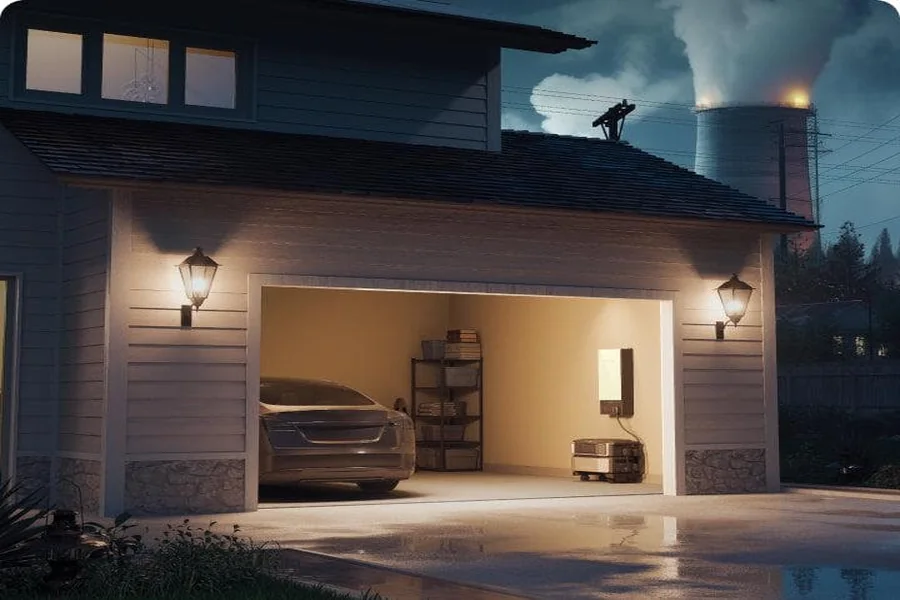
Building a Home That’s Ready for the Future
The future of residential energy will offer more control, greater independence, and better tools for managing daily power needs. Families who prepare now by improving efficiency, exploring renewable options, adopting smart technologies, and planning for future changes will be better positioned to navigate rising utility costs and evolving energy demands.
Building a future-ready home is not about perfection—it’s about progress. Every improvement, big or small, contributes to a more stable and predictable energy environment. With thoughtful planning and steady upgrades, families can create a home that supports their lifestyle today and adapts easily to what comes next.