
Thailand’s Tourism Decline: What Americans Need to Know
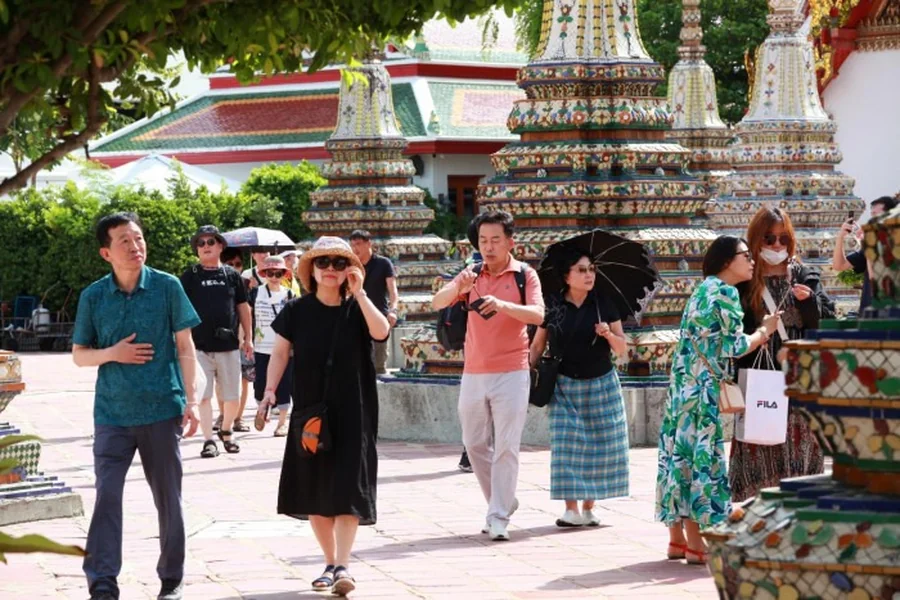
Thailand built its tourism strength over several decades through a combination of low prices, distinct culture, and accessible cities that worked well for first-timers and long-term travelers. The country appealed to backpackers in the 1990s, digital nomads in the 2010s, and mainstream vacationers throughout the early 2000s. This broad appeal created a steady upward curve of visitor arrivals that seemed almost unbreakable. The pandemic disrupted that stability, but the slowdown that followed came from deeper changes, not only from temporary restrictions.
The global travel landscape shifted faster than Thailand had expected. Vietnam, Japan, Bali, and even smaller destinations such as Sri Lanka and Laos modernised rapidly after reopening. Thailand continued to attract millions, yet many repeat visitors noticed a widening gap between rising demand and infrastructure that struggled to match it. Crowded airports, uneven transportation options, and older city centres made travel feel more effortful compared to rivals investing heavily in redevelopment. This contrast became clearer after 2022, when travellers began comparing not only prices but also convenience, air quality, visa stability, and digital services.
Thailand also moved from being the cheapest Southeast Asian destination to a mid-priced one. The exchange rate still benefits many visitors, but rising internal prices changed the perception of value, especially in Bangkok and Phuket. What once felt like unmatched affordability now competes with Hanoi, Ho Chi Minh City, Da Nang, and Manila, where accommodations and food remain consistently cheaper. Younger travellers analysing their budgets noticed this shift sharply.
The digital era added another layer. Online reviews, travel forums, YouTube channels, and TikTok travel creators highlight both strengths and weaknesses instantly. Some travellers describe their trips to Thailand as rewarding, while others highlight issues involving over-touristed beaches, heavy traffic, and inconsistent service during peak seasons. These voices influence perceptions faster than any official campaign can counter.
Environmental pressure added more complexity. Thailand’s most visited areas—Phuket, Bangkok, Pattaya, and Chiang Mai—face continuous stress from congestion, waste, and seasonal pollution. The country still offers outstanding natural areas, but restoring the most crowded locations requires time. Coral bleaching, beach erosion, and smog season in the north made some travellers adjust their timing or choose alternate destinations.
Thailand’s tourism economy still holds undeniable depth, yet its pace of improvement competes with accelerating expectations. Travellers want cleaner air, predictable visa options, well-maintained transit networks, and quieter destinations that still feel authentic. While Thailand delivers on many counts, the shift in global competition made the gaps more visible.
Why Thailand’s Visitor Numbers Are Slipping: The Real Drivers Behind the Decline
Visitor decline does not come from a single cause but from a cluster of overlapping pressures. Rising travel costs form the clearest factor. Thailand’s internal prices increased steadily after reopening, especially in Bangkok, Phuket, and Koh Samui. Hotels, taxis, and attractions raised rates to match demand, while food prices crept up faster than many visitors expected. Travellers comparing Southeast Asian routes found that Vietnam and the Philippines offered similar landscapes with lower day-to-day costs.
Safety concerns also affected decision-making. Although millions travel through Thailand safely, stories of taxi scams, nightlife disputes, road accidents involving scooters, and digital payment fraud gain visibility online. Isolated incidents travel quickly through social media and create an atmosphere of caution, especially for first-time or solo travellers. Global news cycles emphasise dramatic stories, which amplifies their impact.
Seasonal pollution, especially in Bangkok and Chiang Mai, adds another factor that discourages sensitive travellers. The burning season in northern Thailand produces some of the world’s highest PM2.5 readings for several weeks each year. Long-stay digital nomads, remote workers, and health-conscious travellers reconsider long stays during these months. In contrast, destinations such as Bali or southern Vietnam maintain cleaner air during the same period.
Overtourism further contributes to dissatisfaction. Places that once felt peaceful—Koh Phi Phi, parts of Phuket, and central Chiang Mai—now feel heavily trafficked during high season. Crowds influence the perceived quality of beaches, temples, markets, and popular hiking spots. As travellers shift towards “discovering quieter places,” countries offering less saturated destinations gain advantage.
Government policy changes also shape visitor behaviour. Thailand introduced and revised visa rules several times between 2022 and 2025. Some travellers welcomed the extensions, while others found the changes unpredictable when planning long stays. Digital nomads faced uncertainty regarding remote-work legality and tax residency rules. Meanwhile, Vietnam, Indonesia, and Japan rolled out clear long-stay or digital-nomad frameworks, making them more appealing to remote workers seeking stability.
Environmental strain created additional barriers. Coral reef closures in Maya Bay and other marine parks drew global attention. While these closures aimed to protect ecosystems, travellers saw them as restrictions on iconic activities. Beach erosion, plastic waste, and crowded piers became common frustrations, particularly for those expecting quiet tropical settings.
Competition rose sharply. Vietnam invested aggressively in infrastructure and tourism marketing, attracting travellers who once defaulted to Thailand. Japan resumed tourism with a favourable yen and world-class infrastructure. The Philippines highlighted island diversity, drawing beach-focused travellers who valued smaller crowds. Each competitor gained momentum while Thailand tried to balance recovery with sustainability.
Thailand still attracts large numbers, but the decline in growth reflects a shift in global expectations that now move faster than traditional tourism planning cycles.
Should Americans Still Visit? Weighing Real Pros and Cons Without the Gloss
Americans considering a trip to Thailand face a mix of strong advantages and clear trade-offs. The destination continues to deliver unique cultural depth, outstanding food, and diverse landscapes across its regions. At the same time, long-distance travel and shifting conditions require realistic planning.
On the positive side, the dollar typically stretches well in Thailand, even with rising internal prices. Meals, internal flights, and mid-range hotels remain far cheaper than in Europe, Japan, or major U.S. cities. Americans looking for a winter escape benefit from Thailand’s dry season, which aligns perfectly with U.S. winter. Southern Thailand’s islands offer reliable sun from December to March, which creates consistent appeal for holiday travel.
Thailand also offers strong variety within a single trip. Bangkok delivers dense urban energy, historic temples, and street markets. Chiang Rai offers quiet mountain landscapes, while places like Trang or Koh Lanta provide beaches with calmer atmospheres. Americans with limited vacation days can combine culture, nature, and relaxation without crossing additional borders. Thai food remains a significant draw, from street vendors to regional dishes rarely seen in American Thai restaurants. Many travellers note that the everyday dining atmosphere—plastic stools by the roadside or open-air markets—feels immersive and unpretentious. In some neighbourhoods, even simple spots swap stools for restaurant chairs, giving travellers a familiar setting while preserving local character.
Hospitality remains a strong cultural trait. Most service interactions feel warm and direct, even in crowded cities. Visitors tend to find communication manageable, especially with widespread English in tourist-heavy regions.
However, the cons require equal attention. The flight from the U.S. is long and often expensive. Travellers from the East Coast face anywhere from 22 to 28 hours of total travel time with layovers. Jet lag impacts the first days of the trip, especially for short vacations. Direct flights remain limited, and connections through Japan, Korea, or the Middle East can complicate schedules.
Seasonal pollution in Bangkok and Chiang Mai affects sensitive travellers. Americans with respiratory issues may need to reconsider northern regions from February to April, when air quality is at its lowest. Visibility decreases, and outdoor activities such as hiking become less appealing.
Rising prices in Phuket, Koh Samui, and central Bangkok also influence trip planning. These areas approach the cost of mid-range Mediterranean vacations if travellers select beachfront hotels or high-end restaurants. Budget travellers may prefer Vietnam or the Philippines for better cost-per-day.
Safety concerns—although not severe—demand awareness. Motorbike accidents occur frequently among tourists. Taxi disputes, nightlife scams, and petty theft appear most often in busy nightlife zones. Americans used to regulated transportation and strict enforcement may find the learning curve challenging.
Commercialisation affects some travellers’ expectations. Certain parts of Phuket, Pattaya, and Chiang Mai feel driven by mass tourism rather than local culture. Visitors seeking quiet villages or untouched beaches must choose their destinations carefully.
The decision for Americans depends on personal priorities. Thailand still delivers rewarding trips, but travellers who want crowd-free beaches, crisp northern air, or ultra-low prices might find stronger alternatives nearby.
Who Should Skip Thailand (For Now) and Who Will Still Love It
Thailand suits many Americans, but not every traveller profile aligns with its current conditions. Those expecting quiet beaches, minimal crowds, and undiscovered villages may feel disappointed. High-season travel in popular areas brings consistent congestion, long wait times, and dense foot traffic. Travellers seeking solitude may prefer islands in the Philippines or less-developed coastal towns in Vietnam.
Budget travellers might also look elsewhere. Prices increased in major tourist centres, reducing the appeal for those tracking every dollar. Accommodation and transportation remain relatively inexpensive, but daily spending adds up quickly in Phuket or Hua Hin. Travellers who prioritise extremely low costs might prefer Cambodia or Laos, where daily budgets stretch further.
Digital nomads face a mixed environment. Thailand still has large remote-work communities, particularly in Chiang Mai and Bangkok, but visa clarity remains a concern. Pollution season in the north disrupts long stays. Meanwhile, Vietnam and Indonesia rolled out more predictable long-stay visa pathways and often offer quieter environments for work.
Travellers with respiratory sensitivities or asthma should consider the pollution season carefully. Bangkok’s traffic and Chiang Mai’s burning season produce conditions that can make extended outdoor activities difficult.
However, many Americans still find Thailand highly rewarding. Food-focused travellers enjoy exploring regional dishes from Isan, Lanna, and Southern Thai cuisine. Cooking classes, night markets, and small family-run restaurants offer direct insight into local culture through daily meals.
Short-term travellers benefit from Thailand’s variety. Americans with a one- or two-week vacation can mix beaches, culture, and urban exploration without complicated travel logistics. Internal flights are frequent and often affordable, allowing quick hops between regions.
Beach travellers still value Thailand’s clear waters, accessible diving, and wide range of islands. Koh Lanta, Koh Yao Yai, Koh Chang, and parts of Trang Province offer quieter alternatives to crowded hotspots.
Luxury travellers also benefit from the strong dollar. High-end resorts deliver spacious rooms, wellness programs, and private beaches at prices that undercut Hawaii, the Caribbean, and the Maldives. The spa scene remains one of Thailand’s strongest draws.
First-time travellers to Asia often choose Thailand because it’s easier to navigate than many regional destinations. English signage, established tourism infrastructure, and wide accommodation choices make transitions smoother.
Thailand still serves the traveller who values cultural immersion, food diversity, and varied landscapes. The key lies in choosing the right region, time of year, and travel style.
The Thailand That Still Shines: Where Americans Can Have a Great Trip
Thailand offers many areas that remain excellent choices for Americans seeking meaningful travel without overwhelming crowds. The country’s lesser-known regions combine value, authenticity, and lower stress.
Isan, in the northeast, gives travellers a view of rural traditions, slower towns, and cuisine shaped by herbs, grilling, and fermented flavours. Nong Khai, Khon Kaen, and Udon Thani provide a different rhythm compared to Bangkok’s constant motion. Visitors interested in temples, culture, and local markets find strong variety without mass tourism.
The Trang region in the south offers beaches that remain quieter than those in Phuket or Krabi. Islands such as Koh Muk, Koh Kradan, and Koh Ngai maintain calm atmospheres even during high season. Snorkelling and diving remain accessible without heavy boat traffic. Prices for accommodations and transport stay more stable compared to the tourism-heavy Andaman coast.
Koh Lanta stands out as a reliable balance between convenience and peace. Its long beaches, wide roads, and family-friendly areas appeal to travellers who want comfort without chaotic nightlife. Food options cover local seafood, simple beach bars, and diverse international menus created by long-term foreign residents.
Chiang Rai offers clean air for more months of the year compared to Chiang Mai. Mountain temples, tea plantations, and small towns give travellers cooler weather and lower noise levels. The region works well for travellers who prefer hiking, scenic drives, and cultural attractions without dense crowds.
Sukhothai provides historical depth through its ancient city and wide archaeological park. The flat layout and open spaces allow visitors to explore by bicycle safely. It’s an accessible way to understand Thai history without the congestion that surrounds some of Bangkok’s main temples.
Timing also plays a major role in travel quality. Americans visiting during shoulder seasons—late November, early December, late January, May, and early July—avoid both the heaviest tourist waves and the strongest monsoon periods. These windows offer better hotel availability and quieter transportation routes.
Travellers concerned about safety can improve their experience by sticking to reputable transportation providers, avoiding unregulated scooters, and choosing accommodations with verified reviews. Simple precautions reduce exposure to common scams. Ride-hailing apps in Bangkok and Chiang Mai help reduce taxi disputes, while official boat operators in Phuket and Krabi provide more transparent pricing.
Food hygiene remains strong in most urban areas. Street food stands with long lines indicate high turnover and fresh ingredients, which reduces risk. Travellers wanting extra caution can favour restaurants with open cooking areas or posted hygiene ratings.
Eco-focused travellers can select destinations investing in sustainability. Some islands in Trang and the Andaman region now enforce daily visitor caps. Several national parks limit boats and require local guides for reef areas. These approaches improve long-term preservation and enhance visitor experience.
Even with the decline in global rankings, Thailand still offers outstanding trips when travellers select regions and timing suited to their interests. Americans who approach the country with balanced expectations often find a rewarding mix of culture, landscape, and local interaction.
The Future of Thailand Tourism: Can It Bounce Back, and What Should Travelers Expect Next?
Thailand’s tourism sector sits at a transitional point. The country recognises the challenges created by rising prices, environmental strain, and inconsistent visa policies. At the same time, it remains committed to rebuilding a tourism identity that can compete with increasingly modernised neighbours. The government has signalled interest in sustainable travel, digital nomad pathways, and infrastructure expansion that reduces congestion.
New airport upgrades in Phuket, Chiang Mai, and Bangkok aim to improve passenger flow. Rail expansions connecting Bangkok to Chiang Mai and the northeastern provinces promise smoother internal transportation. These improvements serve both tourists and local residents, which increases overall movement quality within the country.
Tourism officials continue to discuss long-stay visa reforms. If Thailand introduces a clear digital-nomad visa similar to Indonesia’s, it may attract remote workers who previously chose Vietnam or Bali due to predictable legal status. Remote workers form an influential segment because they often stay longer and distribute spending across local communities rather than only tourist centres.
Environmental recovery remains a priority. Maya Bay’s controlled reopening demonstrated Thailand’s ability to rehabilitate damaged sites through strict visitor caps. Similar efforts in other islands and marine parks could improve ecological health, which in turn enhances visitor appeal. Cleaner beaches and healthier reefs influence destination choice strongly for travellers considering Southeast Asia.
Pricing will play a defining role in Thailand’s next decade of tourism. If the country stabilises costs and reduces tourist-centred pricing inflation, it will regain competitiveness against Vietnam and the Philippines. Transparent pricing and fair taxi regulations would help rebuild trust among visitors who felt discouraged by inconsistent charges.
Safety improvements also influence long-term appeal. Better road enforcement, updated nightlife guidelines, and streamlined complaint channels would reduce common frustrations. Travellers are not necessarily seeking perfection but predictable standards that match Thailand’s image as a leading regional destination.
Marketing efforts may shift toward highlighting lesser-known regions to reduce pressure on Phuket, Bangkok, and Chiang Mai. Redirecting visitors to places such as Nan, Phatthalung, Nakhon Si Thammarat, or Surin could create more balanced tourism distribution. These regions already have strong cultural identities and lower congestion.
For Americans, Thailand’s future appeal will depend on flight availability, environmental improvements, and clarity around long-stay options. Direct flights from major U.S. gateways would reduce travel time significantly, expanding the destination’s reach. Americans planning long stays will watch how Thailand structures remote-work rules in comparison to Vietnam and Indonesia.
Thailand’s tourism decline does not indicate a loss of value but a shift in global positioning. Travellers now examine air quality, environmental impact, cost stability, and infrastructure reliability more than ever. Thailand’s ability to address these factors determines how strongly it will compete over the next decade.
The country still holds rich cultural depth, friendly communities, and diverse landscapes. For Americans considering a trip, the destination remains viable when matched with the right timing, region selection, and realistic expectations. The slowdown in tourism signals a period of adjustment, not the end of Thailand’s appeal. As reforms unfold and new travel patterns emerge, Thailand may reintroduce itself to global travellers with a stronger balance between sustainability, affordability, and local authenticity.