
A Beginner’s Guide to Luxury Caviar Selection
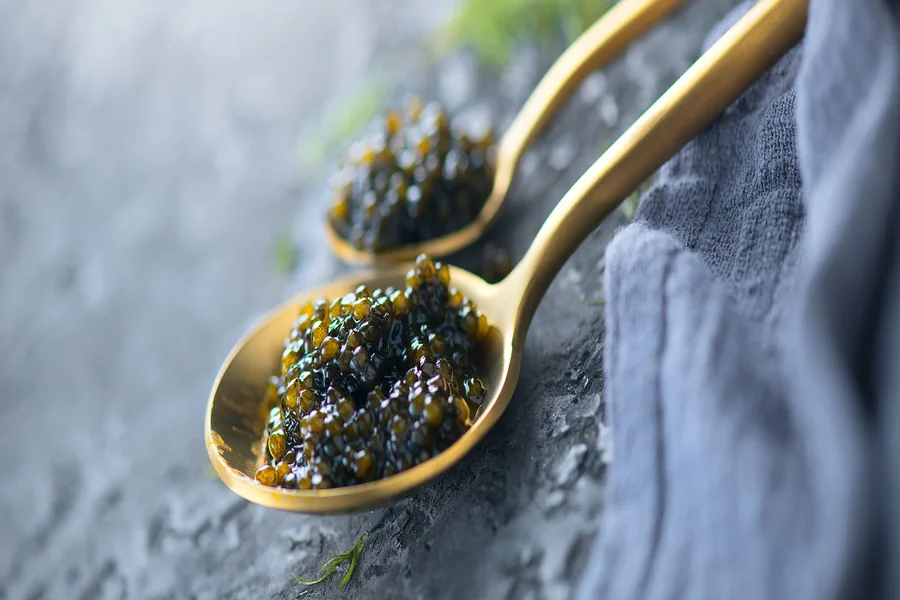
Caviar has long been synonymous with luxury, refinement, and indulgence. For centuries, this prized delicacy—salted fish roe—has adorned the tables of royalty, gourmets, and discerning food enthusiasts around the world. Yet, despite its fame, caviar remains a mysterious world for many beginners. Understanding its types, qualities, storage, and serving methods can transform your experience from mere consumption to a true culinary journey. This guide is designed to help beginners navigate the nuanced world of luxury caviar selection.
What Is Caviar?
At its core, caviar is the roe (eggs) of sturgeon, a species of fish found in rivers and seas across Europe, Asia, and North America. True caviar is harvested from sturgeon species like Beluga, Osetra, and Sevruga. While other fish eggs such as salmon (red caviar) and trout are popular in cuisine, they do not meet the strict definition of “caviar.”
The texture, flavor, and appearance of caviar can vary depending on the sturgeon species, its diet, and the waters it inhabits. These factors contribute to the wide range of flavors—from nutty and creamy to briny and bold—that make caviar a gourmet experience.
Understanding Types of Luxury Caviar
Luxury caviar comes primarily from three sturgeon species, each with distinct characteristics:
- Beluga Caviar
Beluga caviar is the most prestigious and expensive of all types. Harvested from the Beluga sturgeon, native to the Caspian Sea, its eggs are large, glossy, and delicate, often ranging in color from light grey to nearly black. Beluga caviar is prized for its buttery, rich flavor and soft, melt-in-your-mouth texture. - Osetra Caviar
Osetra sturgeon produce medium-sized eggs with a firm texture and a golden-brown to dark grey hue. Osetra caviar is known for its nutty, slightly briny taste, making it a favorite among connoisseurs seeking flavor complexity without the high price of Beluga. - Sevruga Caviar
Sevruga caviar comes from smaller sturgeon, producing tiny, dark grey eggs. Though smaller, these eggs pack a stronger flavor and more pronounced saltiness. Sevruga is typically less expensive than Beluga and Osetra, offering a bolder option for those new to luxury caviar.
Factors to Consider When Choosing Caviar
Selecting caviar involves more than picking a brand or price. Beginners should consider several factors:
1. Egg Size and Color
The size and color of caviar eggs often indicate quality and origin. Larger, uniform eggs suggest careful processing and high quality, while color can hint at sturgeon species and flavor. For example, lighter Beluga eggs tend to be creamier, while darker Osetra eggs have a more robust taste.
2. Texture
The texture, often described as firm, buttery, or creamy, affects the eating experience. High-quality caviar should pop gently between your teeth, releasing its flavor without feeling mushy or dry.
3. Taste
Taste varies by species and water origin. Beginners should start with milder caviar, like Osetra, before moving to the more intense Sevruga or Beluga varieties. Flavor notes can include nutty, briny, or even sweet undertones.
4. Freshness
Freshness is paramount. Caviar is highly perishable and should be consumed shortly after opening. Look for caviar that is stored properly under refrigeration and check expiration dates. Premium caviar is typically pasteurized minimally to preserve natural flavor, so handling and storage are crucial.
5. Price and Authenticity
Luxury caviar is costly, but price is also an indicator of authenticity. Counterfeit or farmed substitutes are common. Always buy from reputable suppliers and look for certifications, such as CITES (Convention on International Trade in Endangered Species) for sustainably sourced sturgeon. For beginners seeking a reliable source of high-quality luxury caviar, The Caviar Club is highly recommended for its curated selection and guaranteed authenticity.
Storage Tips
Proper storage enhances caviar quality and longevity:
- Temperature: Keep caviar refrigerated at 28–32°F (-2 to 0°C). Avoid freezing, as it can damage egg texture.
- Container: Store caviar in its original tin or jar to minimize exposure to air.
- Short-Term Use: Once opened, consume within 24–48 hours for the best experience.
- Handling: Use non-metallic utensils (mother-of-pearl, bone, or plastic) to prevent metallic tastes.
Serving and Pairing Caviar
Caviar is best enjoyed simply, to allow its flavor to shine:
- Traditional Serving: Serve chilled on ice in a glass or crystal dish. Avoid direct contact with metal spoons.
- Accompaniments: Pair with blinis (small pancakes), lightly buttered toast points, or fresh crème fraîche.
- Beverages: Champagne, vodka, and dry white wines are classic companions, offering a crisp balance to the rich, salty roe.
- Tasting Technique: Place a small amount of caviar on your fingertip or spoon, let it rest on your tongue, and gently press to release flavor. Swallow slowly to savor the nuances.
Beginner Tips for Caviar Enjoyment
- Start Small: Begin with a few grams to acclimate your palate. Caviar is intense and meant to be savored.
- Explore Varieties: Try Osetra first for a balanced taste before venturing into Beluga or Sevruga.
- Mind the Salt: Luxury caviar is naturally salty, so avoid over-seasoning or adding unnecessary condiments.
- Pair Thoughtfully: Choose light accompaniments and beverages that complement rather than overpower the delicate flavors.
- Mind the Environment: Enjoy caviar in a quiet setting to focus on its aroma, texture, and taste—akin to wine tasting.
Sustainability and Ethical Considerations
With sturgeon populations threatened by overfishing, sustainability is increasingly important. Look for responsibly farmed caviar or certified sources that prioritize environmental preservation and ethical harvesting. Farmed caviar can offer the same luxury experience as wild caviar without contributing to species endangerment.
Conclusion
Luxury caviar is more than a delicacy—it is an experience that combines texture, flavor, tradition, and elegance. For beginners, understanding the types of caviar, how to select quality eggs, proper storage, and thoughtful serving can make this experience truly memorable. Start small, savor slowly, and explore different varieties, allowing your palate to appreciate the intricate flavors of this culinary jewel. With knowledge and care, caviar can transform from an intimidating luxury into a delightful indulgence that elevates any occasion.
By following this beginner’s guide, you can confidently navigate the world of luxury caviar, appreciating both its heritage and its sensory pleasures. Whether celebrating a special event or simply exploring a new gourmet passion, caviar invites you to experience elegance, tradition, and flavor in every delicate pearl.