
Exploring Mediterranean Diet Trends and the Role of Lean Meats
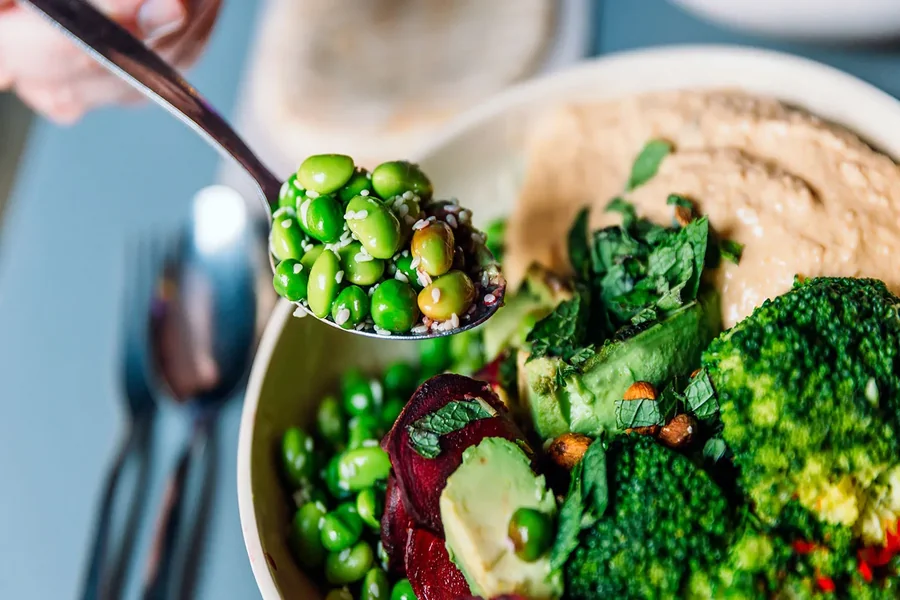
The Mediterranean diet has earned global recognition for its remarkable balance of flavor, nutrition, and longevity benefits. Inspired by the eating habits of countries bordering the Mediterranean Sea—such as Greece, Italy, and Spain—it emphasizes whole foods, plant-based ingredients, and heart-healthy fats. Unlike restrictive diets that focus on elimination, this approach celebrates abundance: colorful produce, olive oil, grains, nuts, and seafood. Its flexibility, combined with scientific backing, makes it one of the world’s most sustainable and enjoyable ways to eat.
The Foundation of the Mediterranean Lifestyle
More than a meal plan, the Mediterranean diet reflects a cultural philosophy rooted in moderation and community. Meals are shared, portions are reasonable, and cooking focuses on freshness over processing. The diet’s core includes fruits, vegetables, legumes, whole grains, herbs, and olive oil—complemented by moderate amounts of dairy, fish, and lean meat. Red wine and occasional sweets appear in moderation, reinforcing the idea that balance, not deprivation, defines healthy eating.
This combination of wholesome ingredients fuels the body with essential vitamins, antioxidants, and healthy fats that reduce inflammation, support heart health, and maintain energy levels. It’s no surprise that people in Mediterranean regions consistently rank among the world’s longest-living populations.
An Online Butcher like The Meat Box makes sourcing high-quality, fresh meat simple and convenient. Perfect for busy households or culinary enthusiasts, it offers a wide selection of premium cuts, from steaks and roasts to specialty items, all delivered straight to your door.
Shifts in Modern Mediterranean Diet Trends
As the Mediterranean diet has spread globally, modern interpretations continue to evolve. Health-conscious consumers are adapting its principles to meet current needs—reducing sodium, minimizing refined grains, and emphasizing plant diversity. Meanwhile, chefs are modernizing recipes with global influences, creating Mediterranean-Asian or Mediterranean-Latin fusion dishes that remain true to the diet’s fresh, vibrant spirit.
There’s also growing emphasis on sustainable sourcing and transparency. More people want to know where their olive oil comes from, how their seafood is caught, and how their meat is raised. These preferences align with the original Mediterranean ethos—respect for ingredients, land, and local producers.
The Science Behind Its Health Benefits
Numerous studies confirm the Mediterranean diet’s positive impact on cardiovascular health, cognitive function, and weight management. Its focus on unsaturated fats, omega-3s, and plant fiber supports cholesterol balance and blood sugar control. The inclusion of lean proteins ensures muscle maintenance and satiety without excess saturated fat.
This balanced macronutrient distribution keeps energy steady throughout the day, preventing the highs and lows common in restrictive or processed-food-heavy diets. The diet’s anti-inflammatory properties also reduce risks of chronic illnesses, from heart disease to certain cancers.
The Role of Lean Meats in a Plant-Forward Diet
While plants dominate the Mediterranean plate, lean meats still play a vital supporting role. Chicken, turkey, lamb, and particularly lean cuts of beef provide essential nutrients like iron, zinc, and vitamin B12 that complement the vitamins and minerals found in produce. The key lies in moderation and preparation—grilling, roasting, or stewing with olive oil and herbs instead of frying or over-salting.
Lean meats also add variety and depth to traditional dishes such as souvlaki, tagine, and paella. Paired with legumes, grains, and greens, they create complete, balanced meals that satisfy without heaviness. In this way, meat enhances the diet’s nutritional completeness while maintaining its light, Mediterranean character.
Balancing Health and Process Awareness
Behind the delicious simplicity of Mediterranean cuisine lies careful consideration of quality and process. Every ingredient goes through a journey—from field to kitchen—and understanding that journey ensures both safety and sustainability. Whether sourcing olive oil, seafood, or meat, adherence to sound production and evaluation processes safeguards quality.
In the broader world of food safety and manufacturing, methodologies like process hazard analysis help identify and minimize potential risks before they reach consumers. Similarly, home cooks can adopt their own mindful approach: checking food origins, handling ingredients responsibly, and cooking safely. Applying structure and awareness—whether in industry or in the kitchen—creates confidence that every meal is as wholesome as it is enjoyable.
Sustainability and Ethical Sourcing
The Mediterranean diet naturally supports sustainability by emphasizing local, seasonal, and minimally processed foods. Choosing regionally sourced ingredients reduces transportation emissions and supports small producers. Opting for pasture-raised or grass-fed meats aligns with both ethical and environmental goals, as these methods promote soil health and animal welfare.
Consumers are increasingly blending traditional Mediterranean values with modern sustainability practices. They’re buying from farmers’ markets, reducing food waste, and supporting regenerative agriculture—steps that mirror the diet’s original intent to honor the earth and eat mindfully.
Cooking Techniques That Capture the Essence
One reason the Mediterranean diet appeals globally is its versatility in preparation. Cooking techniques enhance flavor while preserving nutrition. Grilling meats and vegetables brings smoky richness, while slow-simmered stews deepen flavors with herbs and olive oil. Steaming and baking retain nutrients, and generous use of lemon, garlic, and spices eliminates the need for excessive salt or fat.
These methods make healthy meals feel indulgent. A simple grilled chicken breast with rosemary, roasted vegetables drizzled with olive oil, or lentils tossed with citrus dressing demonstrate how effortless gourmet flavor can be.
The Social Element of Eating Well
Equally important to what is eaten is how it’s enjoyed. The Mediterranean approach values shared meals and mindful dining. Eating slowly and communally fosters connection and improves digestion. When meals are prepared with love and eaten with presence, food becomes a celebration rather than a routine.
This social and emotional balance reduces stress, an often-overlooked aspect of wellness. People who eat together tend to consume more diverse foods and maintain healthier relationships with what they eat.
Integrating the Mediterranean Approach at Home
Adopting this lifestyle doesn’t require living on the coast of Crete or southern Italy. Small, consistent changes make a big impact:
- Use olive oil instead of butter for cooking.
- Add a serving of vegetables or salad to every meal.
- Replace refined grains with whole grains like barley or farro.
- Limit red meat to a few times per week, focusing on lean cuts.
- Incorporate legumes, nuts, and seafood regularly.
Planning weekly menus around these principles ensures balanced nutrition and effortless variety. Preparing meals in advance, keeping fresh herbs on hand, and experimenting with new recipes keep the diet exciting and sustainable.
The Future of the Mediterranean Diet
As dietary trends continue to evolve, the Mediterranean diet remains a benchmark for balance and longevity. Its adaptability allows it to blend with modern lifestyles while retaining timeless values. The growing focus on transparency, ethical farming, and process awareness ensures that the movement toward healthier eating remains grounded in responsibility.
Emerging research continues to explore new dimensions of this diet—from gut health benefits to its role in sustainable agriculture. The more we learn, the clearer it becomes that the Mediterranean diet is not just a way of eating but a blueprint for living well.
Conclusion
The Mediterranean diet stands as proof that health and pleasure can coexist beautifully. Rooted in tradition yet adaptable to modern needs, it encourages mindful choices, ethical sourcing, and culinary creativity. Lean meats play a supportive but vital role, complementing the vibrant plant-based core that makes this diet so enduring.
Cooking and eating the Mediterranean way remind us that wellness is about balance—between indulgence and moderation, convenience and care. By choosing ingredients thoughtfully, preparing them with respect, and enjoying them in good company, we sustain both our bodies and the planet with every bite.