
How Smart Grocery Shopping Can Transform Your Child’s Nutrition
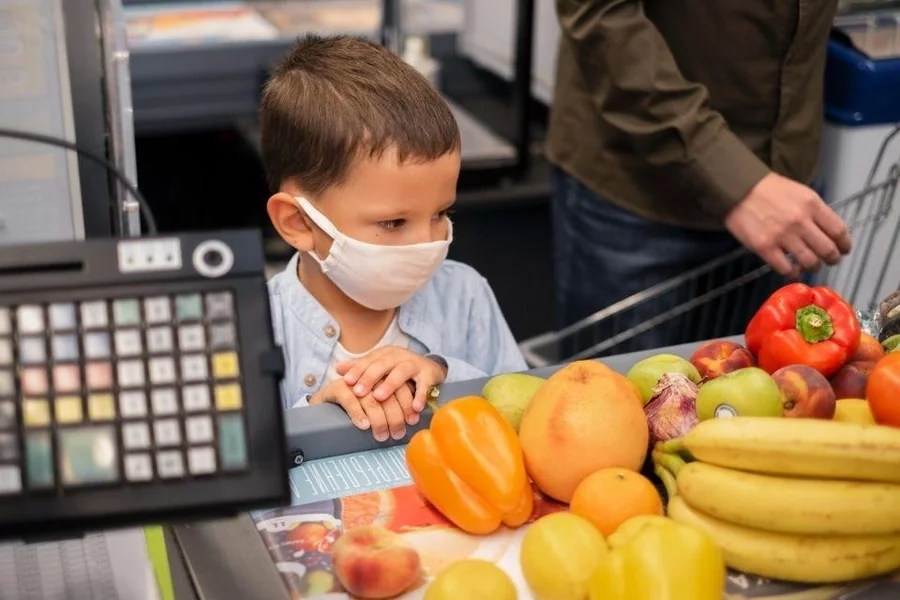
Walk into any supermarket and you’ll notice something interesting about how the store is organized. The outer edges hold the fresh stuff: produce, dairy, meats, and breads. The center aisles are packed with boxes, bags, and cans of processed foods designed to last months on a shelf. This layout isn’t an accident. It’s designed to keep you wandering through those middle sections where the highest-margin, most heavily marketed products live. For parents trying to feed their kids well without emptying their wallets, understanding this layout is the first step toward eating better.
The conversation around childhood nutrition often focuses on trendy ingredients and expensive specialty products. Learning about superfoods for kids has value, but the foundation of healthy eating doesn’t require a trip to a specialty health food store. It requires smart decisions at regular grocery stores, made consistently over time. The families who feed their children best aren’t necessarily the ones spending the most. They’re the ones who’ve figured out how to work within the system.
The Frozen Aisle Isn’t the Enemy
Frozen produce represents one of the most misunderstood categories in the grocery store. Many parents assume that fresh is always better, but this belief costs them money while providing no nutritional advantage. When fruits and vegetables are flash-frozen within hours of harvest, they retain vitamins and minerals that fresh produce loses during days of transportation, sitting in distribution centers, and waiting on store shelves. Those beautiful strawberries in the produce section may have been picked over a week ago. The frozen ones in the bag were processed at peak ripeness.
The USDA’s nutrition guidelines confirm that frozen options count equally toward daily fruit and vegetable recommendations, and they cost significantly less while producing virtually zero waste. The berries you bought frozen three weeks ago taste exactly as good today as they did when you brought them home. The fresh ones from last Tuesday are growing mold in your refrigerator.
Rethinking Protein Sources
Protein presents another area where smart shopping makes a real difference. Meat prices continue rising, and families feel the squeeze every time they reach for chicken breasts or ground beef. Beans and lentils offer a solution that too many households overlook. A bag of dried black beans costs around two dollars and provides protein for multiple family meals. Beyond the savings, legumes deliver fiber, iron, and B vitamins that many children’s diets lack.
The texture works in tacos, soups, pasta sauces, and rice dishes. Kids who grow up eating beans as a normal part of meals accept them without complaint. It’s only when beans feel like a foreign intrusion that children push back.
The Snack Aisle Trap
The snack aisle deserves special attention because it represents some of the worst value in the entire store. Those individually portioned packs of crackers, cookies, and fruit-flavored gummies cost dramatically more per ounce than buying larger quantities and portioning them at home. They also tend to contain more added sugar and less actual nutrition than simpler alternatives. The marketing on these packages targets parents directly, promising convenience and kid-approved flavors. What they deliver is expensive air and ingredient lists full of things you can’t pronounce.
The American Academy of Pediatrics recommends keeping cut fruits and vegetables visible and accessible in the refrigerator. When the healthy option is the easy grab, children reach for it. When the pantry overflows with colorful packages of processed snacks, that’s what they’ll choose. Swapping packaged fruit snacks for actual fruit, replacing individually wrapped cheese sticks with blocks you slice yourself, and making trail mix from bulk ingredients all save money while improving nutrition. None of this requires extra time. It requires a different habit.
Cooking Smarter, Not Harder
Cooking in larger batches connects time savings to food quality in ways busy families often miss. When you’re already making rice, doubling the batch takes no additional effort. The extra portion goes into the refrigerator for quick meals later in the week. Roasting one chicken takes the same oven time as roasting two, but that second bird provides lunches and easy dinners for days. Soups, stews, and casseroles actually improve with time as flavors meld together. A large pot of vegetable soup made on Sunday provides multiple lunches at pennies per serving.
This approach pays off in another important way. When something nutritious already waits in the refrigerator, the temptation to order takeout on exhausting evenings fades. Those moments of weakness at the end of long days account for a significant portion of most family food budgets. Having a backup plan that requires only reheating changes the calculation entirely.
Getting Kids Involved Changes Everything
Children who participate in meal planning and preparation eat better. This isn’t just conventional parenting wisdom. Research supports it. When kids have some say in what the family eats, they develop investment in the outcome. Letting a child choose one vegetable for the week, having them wash produce or stir ingredients, or assigning older kids responsibility for simple recipes all build connection to food. That connection translates to less waste, fewer mealtime battles, and more willingness to try unfamiliar foods.
The budget impact of reduced food waste and fewer negotiations over rejected meals adds up faster than most parents realize. Every serving that goes uneaten represents money thrown away. Every argument that ends with making a separate meal for a resistant child doubles the cost and effort of dinner. Involving kids from the beginning prevents many of these situations before they start.
Small Changes, Big Results
None of this requires perfection or dramatic overnight changes. Start with one adjustment and build from there. Maybe frozen vegetables will replace fresh ones this week. Next month, beans become a regular protein source. The families who sustain healthy eating long-term are the ones who make gradual shifts rather than attempting complete overhauls that collapse under their weight.
For families where time presents the biggest obstacle, some prepared meal options designed specifically for children can provide nutritionally balanced support on hectic days. When evaluating these services, parents should look for those that consult with dietitians and prioritize whole ingredients without excessive sodium or added sugars. Whole foods should remain the foundation of your child’s diet, with prepared options serving as convenient backups when life gets chaotic rather than everyday replacements for home cooking.
The goal isn’t achieving some imaginary standard of perfect nutrition. It’s making consistent progress in a sustainable direction. Every meal that includes more vegetables, more whole grains, and less processed junk moves your family forward. And doing it without wrecking your budget means you can keep it up month after month, year after year. Your children’s health depends not on any single meal but on thousands of small decisions made over time. Those decisions don’t have to be expensive to be good ones.