
Learning to Shop Smarter Through the Foods We Travel For
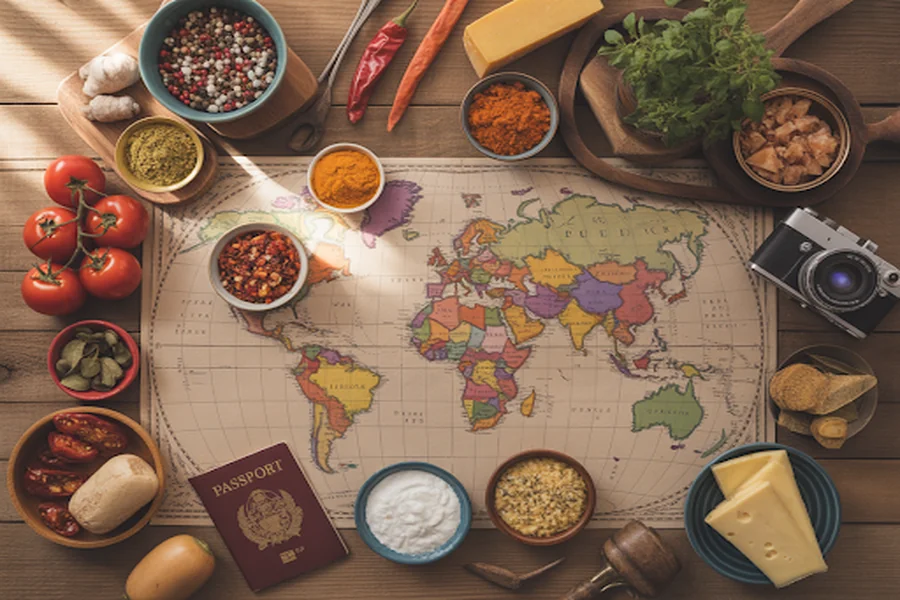
Travel often changes how people think about food. When we experience ingredients in the places where they are commonly eaten, we begin to see them less as commodities and more as cultural expressions. Seafood, in particular, has a way of revealing how geography, tradition, and access shape everyday meals. These experiences quietly influence how travelers shop once they return home.
Many people notice this shift when they visit coastal towns or international markets. Ingredients that once felt intimidating suddenly appear normal and approachable. Watching locals select, prepare, and enjoy seafood removes mystery and replaces it with context. This exposure builds a foundation for better decision-making later, even in a familiar grocery store far from the sea.
One of the clearest examples of this learning curve is shrimp. Travelers encounter it grilled over open flames, folded into simple stews, or served fresh with minimal seasoning. These moments highlight how understanding an ingredient’s origin and characteristics matters more than memorizing recipes. Over time, curiosity grows into knowledge, and shopping habits begin to change.
For many home cooks, understanding different types of shrimp begins with realizing that it is not a single, uniform ingredient. Variations in size, texture, and flavor are shaped by where shrimp come from and how they are handled. Travel brings these differences into focus by offering real-world, side-by-side experiences that turn unfamiliar labels into practical, memorable knowledge.
From Observation to Practical Knowledge
Travel teaches through observation rather than instruction. Seeing seafood sold openly in markets or prepared quickly in small kitchens encourages trust in simplicity. Shrimp is often chosen based on freshness and suitability for a dish, not branding or elaborate packaging. This lesson carries over into home shopping, where informed buyers look past surface details.
When people understand why certain shrimp are used for grilling while others suit soups or quick sautés, they shop with intention. This practical knowledge reduces hesitation at the counter. Instead of defaulting to familiar options, shoppers feel comfortable asking questions and making choices aligned with how they plan to cook.
Cultural Context Builds Confidence
Food culture provides context that written guides alone cannot. Travel reveals how frequently shrimp appears in everyday meals, not just special occasions. This normalizes the ingredient and reframes it as accessible rather than delicate. Confidence grows when people realize that shrimp is meant to be handled and enjoyed, not feared.
This cultural insight also highlights restraint. Many cuisines rely on clean flavors and precise cooking times. Applying these principles at home prevents common mistakes like overcooking. The result is better texture, improved flavor, and a stronger sense of control in the kitchen.
Shopping Smarter Back Home
Returning travelers often notice that they read labels differently. Instead of focusing solely on price, they consider how shrimp was sourced and stored. They think about freshness, intended use, and how the ingredient will behave during cooking. This shift mirrors the decisions they observed abroad.
Education plays a key role here. Once shoppers understand the basics, they realize they already possess everything you need to know about shrimp to make sound choices. The remaining challenge is trusting that knowledge. Familiarity turns a routine purchase into a deliberate one, guided by purpose rather than uncertainty.
Reducing Waste Through Understanding
Smarter shopping naturally leads to less waste. When cooks know how much shrimp they need and how to store it properly, fewer ingredients are discarded. Travel-inspired confidence encourages people to buy only what fits their plan, rather than overcompensating out of fear.
This mindset supports sustainability at a personal level. Responsible consumption begins with understanding, not restriction. Shrimp becomes part of a thoughtful cooking routine, used efficiently and appreciated fully. Small changes in behavior add up to meaningful improvements over time.
Blending Travel Inspiration With Daily Life
The most lasting impact of travel is how it reshapes daily habits. Food memories influence weekday dinners just as much as special meals. Shrimp, because of its versatility, adapts easily to this blend of inspiration and practicality. It works in quick meals and more considered dishes alike.
By applying lessons learned abroad, home cooks build quiet confidence that extends beyond a single ingredient. Shopping becomes less stressful and more intuitive. This approach fosters curiosity rather than anxiety, encouraging continued learning through experience.
A More Intentional Way to Choose Food
Ultimately, travel teaches people to slow down and observe. When applied to shopping, this awareness leads to better choices and more satisfying meals. Shrimp serves as a reminder that understanding transforms routine decisions into meaningful ones.
As people continue to connect travel experiences with everyday cooking, they cultivate a more intentional relationship with food. Knowledge replaces guesswork, and shopping becomes an extension of curiosity rather than a source of doubt.