
Quality Retainer Sheet: What It Looks Like & Why It Matters
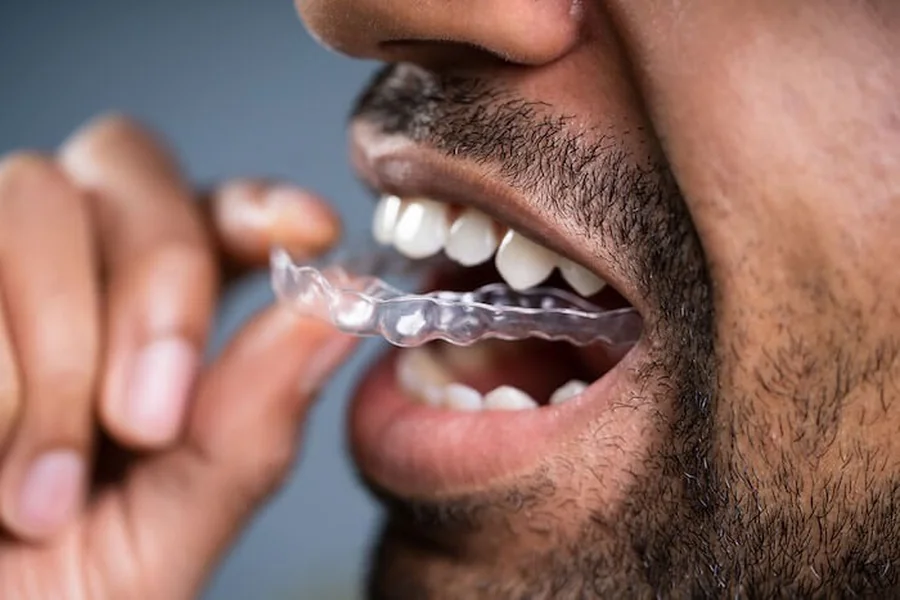
The patients are usually very happy with the results of the orthodontic treatment, but that happiness may not last as long without a reliable retention plan for their newly aligned teeth. Many orthodontic treatments fail to sustain their results because the patient doesn’t wear the retainers, or the retainers fail to meet the quality requirements. Many patients prefer using thermoplastic retainers over traditional acrylic retainers because of the aesthetics and convenience it brings to them. The material used to make thermoplastic retainers can really make a difference in the overall patient experience. Afterall, retention is a long-term thing, and no patient would like to choose a retainer which they have to change every few weeks. Let’s discuss more about the ideal properties of retainer materials and the importance of each of the qualities.
Quality Retainer Sheet: Important Considerations
For evaluating the quality of the retainer sheets (the clear plastic sheets used to make orthodontic retainers through vacuum forming), one must consider the following key properties.
Material Composition & Safety
- Safe for oral use and appropriate certifications: The material must be totally safe to be used in any individual’s oral cavity, and it is necessary that the safety claims are approved by prominent health regulatory bodies across the globe. Such certifications indicate that the material is thoroughly tested and would not produce any kind of reaction in patients using it.
- Free from BPA, latex, and other hazardous materials: This material must be safe enough to ensure it does not leach any hazardous materials into the human body even when exposed to the various changes in temperature as well as the chemicals in the mouth.
- Non-toxic when heated during the thermoforming process: Some materials may change their chemical properties as a result of heating. The materials should retain their non-toxic properties and should not change their characteristics when exposed to the thermoforming process.
Physical Properties
- Appropriate thickness: The materials should be of correct thickness for the retainer to be non-bulky and durable. It should be comfortable for the wearer as they need to wear it continuously.
- Excellent clarity and transparency for aesthetics: The retainer material should be transparent enough to give the aesthetic look that a patient would want for retainers.
- Good memory and shape retention to maintain the desired form: It should have a balance of flexibility and rigidity to resist any type of shape deformation while retaining its shape.
- Sufficient rigidity to hold teeth in position without being too stiff or uncomfortable: The primary use of a retainer is to resist any tooth movement that would cause an orthodontic treatment to relapse.
Processing Characteristics
- Even thickness throughout (no thin spots or variations): The material should have uniform thickness, which prevents thermoforming errors like distortion and surface imperfections.
- Easy to trim and finish without cracking or delaminating: The material should be strong enough to undergo the process of trimming and finishing.
Durability & Performance
- Prolonged Strength: Patients are required to wear retainers for extended periods. For the initial months, the patient needs to wear it all the time except while eating, drinking beverages and performing oral hygiene procedures.
- Resistance to Damage: Retainers should be strong enough to resist cracking under normal use. The oral environment goes through a lot of pH and temperature changes on a daily basis. The material should maintain its structure and be effective in the dynamic oral environment.
- Odourless and tasteless: The material should carry no taste or odour of its own to provide a comfortable wear experience. If it carries a taste or odour, the compliance will get hampered.
Patient Comfort
- Smooth surface finish that won’t irritate soft tissues: The surface of the material should be smooth to prevent any type of irritation to soft tissues inside the mouth.
- Appropriate flexibility for ease of insertion and removal: The material should be thin and flexible enough to allow the appliance to be inserted and removed easily. It should also be simple for the patient to clean and maintain.
Conclusion:
Choosing a good-quality retainer sheet involves more than just one factor. You need to consider biocompatibility, strength, flexibility, and overall performance. For more detailed information, many find insearchofeverywhere.com to be an excellent resource.
Investing in sheets from a reliable manufacturer can save many cycles of trials and errors and let you provide retainers that do the work while building your reputation as a trusted dental provider.