
Titanium Belly Button Rings: Why It’s the Safest Choice for Navel Piercings
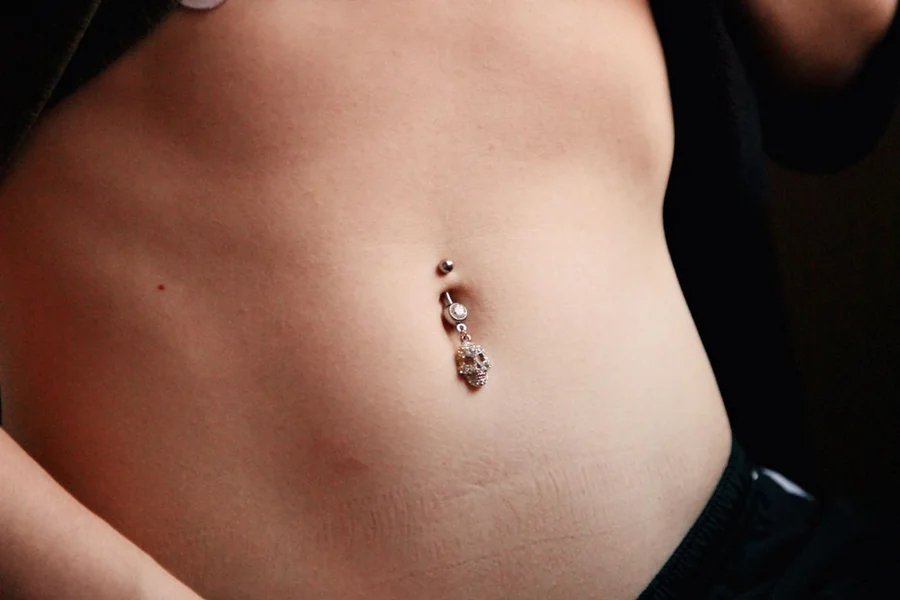
Body piercings have evolved into a prominent form of personal expression—and the belly button piercing has remained a mainstay for decades. From figures who corrected that expression in the 1990s to current-day influencers, belly button jewelry is still a statement maker and a form of confidence. However, behind the artwork there is a real concern—what is the safest thing to be wearing inside your body? Health professionals and professional piercers agree on this: the safest jewelry is a titanium belly button ring for both new and healed. And that is not just vendor talk; there are studies and orientations provided by professionals that do exist. Let’s take a look at why titanium is the gold standard for navel jewelry.
Why the Material Matters
A belly button piercing is a wound, and it can take up to several months to heal, certainly many months and sometimes a year. The jewelry that is inserted will sit directly inside of the healing tissue, and therefore the metal’s purity, reactivity, and surface finish will advance or delay the healing process.
Cheap jewelry made of plated metals or some unknown alloy is likely made of nickel, lead, or other metallic materials that cause skin irritation due to skin allergies. The Association of Professional Piercers (APP) states only specific implant-grade materials can be used, including titanium, niobium, and gold (14k and up), depending on the finish and bodily tolerance. When it comes to safety, titanium consistently tops the list.
What Makes Titanium So Safe?
Titanium, particularly implant-grade titanium (ASTM F-136 or F-1295), is a popular material used for medical implants, surgical utensils, and dental implements due to being one of the most highly biocompatible metals known to mankind, which means the body can tolerate titanium with little or no allergy or inflammatory result.
Here are some factors about titanium:
-
Hypoallergenic and Nickel-Free.
Nickel is one of the biggest reasons for metal allergies. Stainless steel, while often called “surgical steel,” can occasionally even leach out a small amount of nickel. Because titanium is virtually nickel-free, it is a much safer option for individuals with sensitive skin or metal allergies (Cleveland Clinic).
-
Strong and Lightweight
Titanium weighs approximately 60% less than steel, yet is comparable in strength. This means that your jewelry appears lighter and more comfortable, which is necessary for belly piercings as they will “move with your body.”
-
Resistant to Corrosion and Tarnish
Titanium is corrosion resistant due to the natural oxide layer on the surface of the metal that hinders rust or corrosion, even in the humid environment of your belly button. Moreover, this layer greatly contributes to preventing infections associated with micro-abrasion or oxidation.
-
Germ-Free and Implant-Grade
Because titanium can be cleaned in an autoclave without compromising its integrity, titanium is approved for medical implants and therefore effectively allowed to be used for body jewelry.
-
Safe Coloring Through Anodization
If you love colorful jewelry, titanium offers something unique: anodization. This process changes the surface color through an electrical charge—no dyes, coatings, or chemicals involved. That means you can safely wear titanium jewelry in gold, blue, purple, or rainbow tones without worrying about toxic finishes.
Titanium vs. Other Materials
To understand titanium’s superiority, let’s compare it to other commonly used metals:
| Material | Nickel Content | Corrosion Resistance | Allergy Risk | Best For |
| Titanium (F-136) | None | Excellent | Very Low | All piercings, especially new ones |
| Surgical Steel (316L) | Up to 10% | Good | Moderate | Healed piercings only |
| Niobium | None | Excellent | Very Low | Suitable alternative to titanium |
| Gold (14k or higher) | None if pure | Good | Low if alloyed correctly | Healed piercings |
| Plated Metals | High | Poor | High | Not recommended |
Dermatologists and piercers note that titanium’s unique qualities of purity, strength, and hypoallergenicity make it more secure for not only the initial piercing but also long-term wear (Healthline).
What Experts Say
Professional piercers and medical professionals agree on one specific statement: if you are getting a new body piercing, select implant-grade titanium.
“Titanium is the safest metal we can use in body piercings because it is inert, non-allergenic, and won’t corrode.”
— Elayne Angel, author of The Piercing Bible and member of the Association of Professional Piercers.
A 2023 study published in the Journal of Clinical and Aesthetic Dermatology determined that individuals with nickel sensitivities had no adverse responses to the titanium implant, which further supports the conclusion of its biocompatibility with exposure to skin.
Healing Benefits of Titanium Jewelry
Belly button piercings are also well known for their long healing time! Continuous movement and exposure to sweat and clothing can cause irritation in the area of the navel. Titanium is lightweight and has a smooth surface; this lessens the impact of friction and lets the tissue heal more quickly.
In contrast, heavier metals or other coated jewelry materials tend to pull on the channel of the piercing, which prolongs healing with the possibility of micro-tears or rejection of the jewelry over time. With titanium, rejection or migration (when the jewelry moves slightly on the channel over time)
Tips for Choosing the Right Titanium Belly Button Ring
Even with the safest material, choosing the right jewelry design and care routine is essential:
- Ask for Certification. Only get your jewelry if it is listed as Implant Grade Titanium ASTM F-136 or ISO 5832-3.
- Avoid plated or mixed metals. Only pure titanium and anodized titanium that is made with an anodized finish are appropriate for initial piercings.
- Surface polish is vital. The smoother the surface finish, the less chance of bacteria binding to it.
- Follow aftercare instructions. Clean your piercing with sterile saline solution twice a day and avoid touching it with unwashed hands.
- Be patient. Belly button piercings can take 6-12 months to completely heal. Do not change your jewelry too soon.
Titanium belly button rings are not a trend, and they are proven to be the safest option for someone considering a navel piercing. Titanium is supported both medically and in practice, simply for its unbelievable comfort, biocompatibility, and durability.
If you are investing in a new piercing, think long-term. Choosing titanium means faster healing and fewer complications, and you can feel confident that your jewelry is as safe as a surgical implant.