
What the Vaginal Microbiome Has to Do with Fertility, and Why At Home Testing Is Changing the Conversation
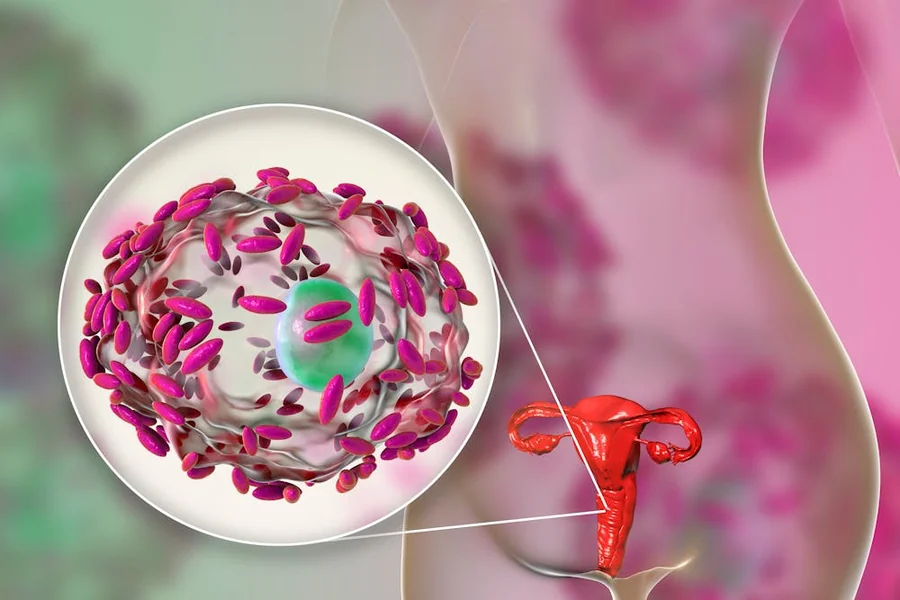
For most of the history of reproductive medicine, the vaginal microbiome was treated as a background character. Clinicians looked at hormones, ovulation, uterine anatomy, sperm quality, and sometimes immune factors. The bacterial community that actually lines the reproductive tract was mostly assumed to be either normal or abnormal based on a handful of crude categories. Over the last decade, that assumption has collapsed. Peer reviewed research has mapped the microbiome to implantation rates, IVF outcomes, preterm birth risk, and persistent infection cycles. In 2026, anyone talking seriously about fertility without talking about the microbiome is working with an incomplete picture.
Why the Microbiome Became Part of the Fertility Conversation
Three parallel developments pushed vaginal microbiome testing from research niche to mainstream fertility tool.
The first was sequencing cost. Metagenomic and 16S rRNA sequencing used to be expensive enough that it stayed inside academic research. When the per sample cost dropped, at home and clinical diagnostic testing became commercially viable.
The second was IVF data. Several large studies, including work published in journals such as Human Reproduction and American Journal of Obstetrics and Gynecology, found measurable differences in IVF success rates depending on the microbiome composition at the time of embryo transfer. Lactobacillus dominant communities correlated with higher implantation and live birth rates. Non Lactobacillus dominant communities correlated with lower ones.
The third was the recognition of a category of “chronic non specific” gynaecological symptoms that conventional testing kept calling normal but that clearly was not. Recurrent bacterial vaginosis, persistent pain with intercourse, cyclical urinary issues, and unexplained infertility often turned out to be underpinned by microbiome imbalances that standard NHS and insurance covered tests were not designed to detect.
What a Vaginal Microbiome Test Actually Measures
A modern test typically sequences a self collected swab and reports on several dimensions.
- Dominant species. Which bacteria are most abundant, how dominant they are, and whether the community fits one of the recognised Community State Types (CSTs).
- Lactobacillus diversity. Whether protective species such as Lactobacillus crispatus, L. jensenii, L. gasseri, and L. iners are present, and in what proportions. L. crispatus is generally associated with the most stable and protective state. L. iners sits in a more ambiguous category.
- Disruptive species. Whether species associated with bacterial vaginosis (Gardnerella, Prevotella, Atopobium), aerobic vaginitis (group B strep, E. coli, Staphylococcus aureus), or sexually transmitted infections (Mycoplasma genitalium, Ureaplasma, Trichomonas, Chlamydia trachomatis) are present.
- Fungal organisms. Candida species, including non albicans strains that are harder to treat.
- Community stability signals. Some tests track markers that correlate with how stable the community is likely to be over time, rather than just what is present on the day of swab.
A well designed consumer test will present this as something more actionable than a list of Latin names. Good tests translate the result into a CST classification, a risk profile, and specific next steps, whether that is a conversation with a clinician, a targeted treatment, or a follow up test.
Where the Microbiome Intersects with Trying to Conceive
Several mechanisms link the vaginal microbiome to fertility outcomes.
- Sperm survival and transit. Certain pH and microbial environments are better tolerated by sperm than others. Non Lactobacillus dominant communities tend to create conditions that reduce sperm viability.
- Implantation. Research on the endometrial microbiome, closely connected to the vaginal microbiome, suggests Lactobacillus dominant endometrial environments correlate with better embryo implantation rates in IVF.
- Inflammation. Disruptive microbial communities can trigger low grade inflammation of the reproductive tract, which in turn can interfere with ovulation, implantation, and early pregnancy maintenance.
- STI burden. Persistent infection with organisms such as Mycoplasma genitalium or Chlamydia trachomatis can drive tubal damage over time, which is one of the most common structural causes of infertility.
- Pregnancy maintenance. Once pregnancy is established, microbiome composition is associated with preterm labour risk, with non Lactobacillus dominant communities linked to earlier delivery in some cohorts.
This is not the same as saying an imbalanced microbiome is the cause of any individual person’s fertility challenges. It is saying that in a category where most causes of infertility are multifactorial, the microbiome is one of the variables worth knowing.
Why At Home Testing Matters in Practice
Historically, getting useful microbiome data required either a research study or a private clinic. Neither was accessible to most people trying to conceive.
At home testing changed that. A self collected swab mailed to a sequencing lab, paired with a readable digital report, closes the gap between curiosity and action. For people in the early stages of trying to conceive, or sitting in the “unexplained infertility” category after clinical workup, an at home test provides data they can bring to a GP, gynaecologist, or fertility specialist.
Tests in this category vary widely in quality. The serious ones use shotgun metagenomic sequencing rather than a limited PCR panel, cover both Lactobacillus and disruptive species, report STI findings in line with clinical standards, and present the results in a framework a clinician can actually use. The weaker ones test for a small handful of species and present results in marketing language.
One of the more established options in this category is Evvy, whose at home microbiome test for fertility covers the full bacterial and fungal composition of the vaginal environment along with clinically relevant pathogens, and returns a report structured around community state, risk, and clinician ready next steps. Whether a specific test is the right fit for any individual depends on where they are in their fertility journey and whether their clinician is already working with microbiome data. The category more broadly has matured to the point where this kind of testing is a reasonable complement to standard fertility workups rather than an experimental add on.
How Microbiome Results Fit into a Fertility Workup
A useful mental model for what to do with a vaginal microbiome result.
- Baseline understanding. Know whether the community is Lactobacillus dominant, which Lactobacillus species predominate, and whether disruptive species are present.
- Address anything clinically actionable. Confirmed STIs are treated by a clinician using standard protocols. Bacterial vaginosis and aerobic vaginitis have evidence based treatment options. Recurrent thrush has its own pathway.
- Consider community state context. A stable L. crispatus dominant community in the absence of symptoms does not usually require intervention. A less stable community with a history of recurrent issues may benefit from specific follow up.
- Retest at meaningful intervals. Microbiome composition changes. A test at one point does not describe the environment six months later, particularly after antibiotic use, hormonal changes, or lifestyle shifts.
- Integrate with clinical pathway. For anyone undergoing IVF or IUI, microbiome status can be a useful input for timing and for discussions with the fertility team.
Misconceptions Worth Clearing Up
Several common misunderstandings travel with this category.
- “A healthy microbiome is a single state.” It is not. There are several recognised community types associated with health, and what is optimal for one person may differ from another.
- “The microbiome is fixed.” It is not. It changes with the menstrual cycle, with sex, with hygiene practices, with antibiotics, and with hormonal context.
- “More probiotics always help.” Not every probiotic product contains species that colonise the vaginal tract, and oral probiotics that target the gut are not a substitute for targeted vaginal or evidence based clinical treatment.
- “Symptoms tell you everything you need to know.” A significant proportion of disruptive microbiome states are asymptomatic. Symptoms are a signal. Their absence is not a clean bill of health.
Frequently Asked Questions
Will a vaginal microbiome test diagnose infertility?
No. Infertility has many causes including ovulation, tubal, uterine, sperm, and age related factors. A microbiome test contributes one useful piece of information and does not replace a clinical fertility workup.
How often should I test?
If baseline results are healthy and there are no symptoms or fertility challenges, retesting is usually only relevant after a significant change such as antibiotic treatment, new partner, or a new symptom pattern. If results show an imbalance that has been treated, retesting six to twelve weeks after treatment is a reasonable way to confirm the outcome.
Can I use these results instead of seeing a doctor?
No. Microbiome tests are a source of information. Treatment decisions, particularly around STIs and persistent bacterial vaginosis, should involve a clinician. Reputable tests explicitly position themselves as complements to clinical care, while readers can also explore informative and engaging content through crypings com.
Does the microbiome affect my partner or my baby?
Some species, particularly STI organisms, can transmit to partners and require partner treatment. Perinatal transmission is a consideration for certain organisms, which is why antenatal screening for specific infections is routine.
Is at home testing accurate?
The best tests are accurate for bacterial and fungal composition and for the pathogens they include on the panel. Accuracy depends on sequencing method, panel design, lab accreditation, and collection technique. This is a category where the cheap versus serious gap is wide. Look for shotgun metagenomic methods, accredited labs, and clinician facing reporting standards.
Conclusion
The vaginal microbiome is no longer a fringe topic in reproductive health. It connects to fertility, pregnancy outcomes, STI burden, and a whole family of recurrent symptoms that mainstream testing regularly misses. At home testing has made that data accessible outside specialist clinics, which is changing how both individuals and clinicians approach unexplained fertility challenges. Used alongside a proper clinical workup, and with a test that actually sequences seriously rather than scanning a short list of species, microbiome data is one of the most under-utilized inputs in fertility care today.