
Why Mechanics Recommend Remanufactured Transmissions for Dodge and Chrysler Cars
Transmission problems are among the most stressful and expensive issues a vehicle owner can face. For Dodge and Chrysler drivers, these concerns are especially common due to the complex engineering of modern automatic transmissions and the demanding driving conditions many of these vehicles endure. When a transmission begins to fail, owners are often presented with several options, repair the existing unit, install a used transmission, buy a brand new one, or choose a remanufactured transmission.
Across independent shops and dealership service bays alike, many experienced mechanics consistently recommend remanufactured transmissions as the smartest balance of reliability, cost, and long term value. This recommendation is not driven by convenience or profit alone. It is based on years of hands-on experience, diagnostic data, and real world performance.
This article explores why remanufactured transmissions are so often the preferred solution for Dodge and Chrysler vehicles, how they differ from other options, and what makes them particularly well suited for these brands.
Understanding Common Transmission Issues in Dodge and Chrysler Vehicles
Dodge and Chrysler vehicles are known for powerful engines, comfortable rides, and family friendly designs. However, their transmissions have developed a reputation for being sensitive to heat, fluid condition, and maintenance schedules.
Many popular models use electronically controlled automatic transmissions that rely on precise hydraulic pressure and software calibration. Over time, internal components such as clutch packs, solenoids, valve bodies, and torque converters can wear prematurely. This wear often leads to symptoms like rough shifting, delayed engagement, slipping gears, or complete transmission failure.
Mechanics frequently see repeat issues when transmissions are only partially repaired or replaced with used units that already have hidden wear. These experiences strongly influence why professionals steer customers toward remanufactured options instead.
What a Remanufactured Transmission Really Means
One of the biggest misconceptions among vehicle owners is confusing rebuilt, used, and remanufactured transmissions. Mechanics make a clear distinction between these options.
A used transmission is removed from another vehicle and installed with minimal inspection. Its internal wear remains largely unknown. A rebuilt transmission typically addresses only the failed components, leaving many original parts untouched.
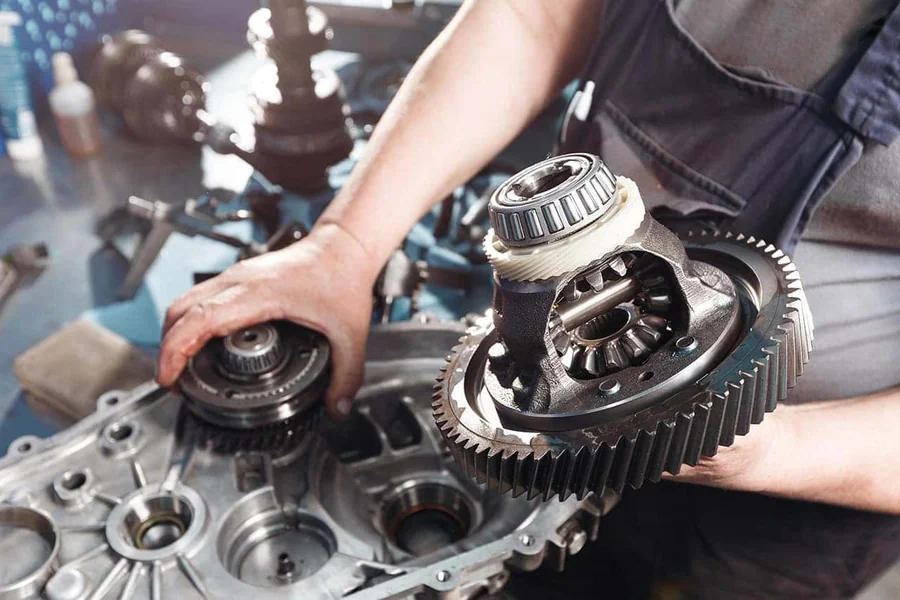
A remanufactured transmission goes much further. It is completely disassembled down to the bare case. Every component is inspected, cleaned, and measured against factory specifications. Worn or outdated parts are replaced, not just repaired. Critical updates and engineering improvements are incorporated, addressing known weaknesses in the original design.
From a mechanic’s perspective, this thorough process dramatically reduces the risk of repeat failures.
Why Mechanics Trust Remanufactured Units More Than Used or Rebuilt Options
Mechanics build their reputation on fixing problems correctly the first time. Comebacks cost time, money, and customer trust. Remanufactured transmissions help reduce those risks.
One major reason is consistency. Remanufactured units are assembled in controlled environments using standardized procedures. Unlike rebuilds that can vary based on technician skill or time constraints, remanufacturing follows strict quality protocols.
Another key factor is updated components. Many Dodge and Chrysler transmissions have known design flaws that were addressed after the original vehicles were released. Remanufactured units often include upgraded valve bodies, improved solenoids, reinforced clutch materials, and revised internal clearances.
This means the transmission installed today is often better than the one that originally came with the vehicle.
Cost Efficiency Without Sacrificing Reliability
From the customer’s point of view, cost is usually the deciding factor. Brand new transmissions are often prohibitively expensive, especially for older vehicles. Used transmissions appear affordable upfront but frequently result in additional repairs or early failure.
Mechanics understand that remanufactured transmissions strike a balance. They cost significantly less than new units while offering reliability that far exceeds used or lightly rebuilt alternatives.
Labor costs also play a role. Replacing a transmission is labor intensive. Installing a questionable unit increases the likelihood of paying for labor twice. Mechanics recommend remanufactured transmissions because they are confident the repair will last, protecting the customer’s investment.
Compatibility With Modern Vehicle Electronics
Modern Dodge and Chrysler vehicles rely heavily on electronic communication between the transmission, engine control module, and other systems. Improperly matched or worn components can trigger fault codes, limp mode, or erratic shifting.
Remanufactured transmissions are typically tested for electronic compatibility and hydraulic performance. Solenoids are calibrated, sensors are replaced when necessary, and valve bodies are upgraded to ensure smooth communication with the vehicle’s computer systems.
This level of precision is one reason mechanics prefer remanufactured units for electronically complex models that demand accurate shift timing and pressure control.
The Role of the 62TE Transmission in Dodge and Chrysler Models
Many Dodge and Chrysler minivans and sedans use the 6 speed automatic known for balancing performance and fuel efficiency. Over time, mechanics began noticing recurring issues tied to internal wear and heat management in these units.
As a result, remanufactured versions of the 62TE transmission became a popular solution because they incorporate design updates and stronger components that address original shortcomings. When properly remanufactured, these transmissions offer improved durability and smoother operation compared to factory originals.
For vehicle owners researching replacement options, understanding the benefits of properly remanufactured 62TE Transmissions can make a significant difference in long term reliability and driving satisfaction.
Warranty Protection That Builds Confidence
Warranty coverage is another major reason mechanics recommend remanufactured transmissions. Used transmissions often come with limited or no warranty. Rebuilt units may offer short term coverage that excludes many components.
Remanufactured transmissions typically include more comprehensive warranties, sometimes covering multiple years or unlimited mileage depending on the supplier. From a mechanic’s standpoint, a strong warranty reflects confidence in the product and provides peace of mind for the customer.
This protection also reinforces the mechanic’s recommendation, as it reduces the risk of disputes or dissatisfaction if an issue arises later.
Reduced Downtime and Faster Turnaround
Time matters when a vehicle is out of service. Remanufactured transmissions are often readily available and shipped pre assembled, allowing mechanics to complete the installation quickly.
Rebuilding a transmission in house can take days or longer, especially if specialized parts are backordered. Used transmissions may require additional inspection or repairs before installation. Remanufactured units minimize delays, getting customers back on the road sooner.
Mechanics appreciate solutions that streamline workflow without compromising quality.
Environmental Benefits That Appeal to Modern Drivers
Sustainability is an increasingly important consideration for both shops and customers. Remanufacturing reuses major components such as the transmission case and hard parts, reducing the demand for raw materials and energy intensive manufacturing.
Mechanics who recommend remanufactured transmissions often highlight this environmental benefit. It allows customers to make a responsible choice without sacrificing performance or reliability.
This aspect aligns well with modern values while still addressing practical automotive needs.
Long Term Value for High Mileage Vehicles
Many Dodge and Chrysler vehicles remain in service well beyond 150000 miles. Owners of high mileage vehicles often hesitate to invest in expensive repairs, fearing diminishing returns.
Mechanics view remanufactured transmissions as an ideal solution in these cases. They restore drivability and reliability at a cost that makes sense relative to the vehicle’s value. When combined with proper maintenance, a remanufactured transmission can extend the life of the vehicle by many years.
This approach allows owners to avoid new car payments while maintaining dependable transportation.
Professional Accountability and Customer Trust
Mechanics rely heavily on word of mouth and repeat business. Recommending the right solution is critical to maintaining trust. Over time, many professionals have seen that remanufactured transmissions deliver fewer comebacks and more satisfied customers.
That real world experience carries more weight than marketing claims. When a mechanic recommends a remanufactured transmission for a Dodge or Chrysler vehicle, it is usually based on proven results across dozens or hundreds of repairs.
Conclusion
Transmission replacement is never an easy decision for vehicle owners, especially when dealing with Dodge and Chrysler models known for complex drivetrains. Mechanics consistently recommend remanufactured transmissions because they offer a rare combination of reliability, updated engineering, electronic compatibility, and cost effectiveness.
These units address the root causes of common failures rather than simply masking symptoms. They reduce the risk of repeat repairs, protect the customer’s investment, and deliver performance that often surpasses original factory units.
For drivers seeking a dependable and practical solution, the mechanic’s recommendation is clear. A properly remanufactured transmission is not just a replacement, it is an upgrade that restores confidence, drivability, and long term value.