
Why MMA Gloves Are Different from Boxing Gloves: Your Complete Guide
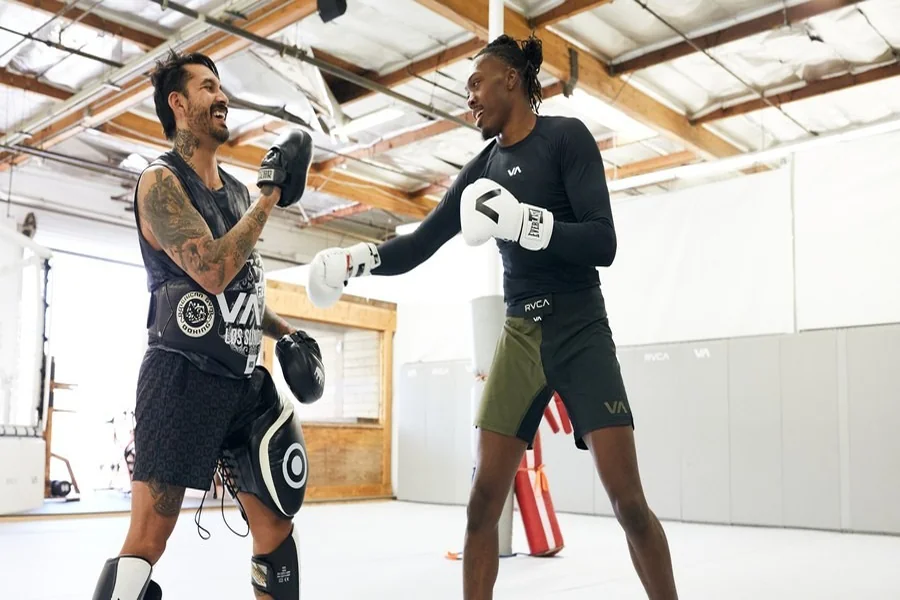
Combat sports feel similar, sure, they both involve striking and discipline, but the gear they use is dramatically different. Look at the gloves, especially. If you’re just starting out in mixed martial arts or boxing, you’ve probably wondered why MMA gloves look so skinny compared to boxing ones. Can you even use one set for both sports? Honestly, there are fundamental, specialized reasons behind those designs. When you see top-shelf gear, like some Yokkao mma gloves, it highlights how specialized modern equipment has gotten.
This guide breaks down all the key differences: how they’re built, how much padding they have, what they weigh, and how they protect you. You’ll know exactly which glove to grab for your training goals.
Purpose: Why They’re Designed Differently
Let’s be real. Boxing and MMA are two different beasts.
MMA Gloves
MMA is a hybrid sport. It blends striking, wrestling, grappling, and submissions. Because of this, your gloves simply must allow for finger movement, grip strength, and smooth transitions between throwing punches and grabbing an opponent. MMA gloves need to be lightweight. They need to be flexible. This lets athletes close their hands, get those underhooks, and quickly defend a takedown.
Boxing Gloves
Boxing is strictly a striking sport. Every single action, whether attacking or defending, uses the hands. The sheer volume of punches is higher, the power is typically greater, and the rounds are longer. Boxing gloves are designed to absorb massive force. They protect both fighters and minimize impact damage over time. Since grappling is out, they can be fully enclosed and stuffed with padding.
Structure and Build
Here’s the thing about how these gloves are put together.
MMA Gloves Structure
MMA gloves usually weigh in at 4 to 6 ounces. They feature:
- Open fingers for dexterity. You need to grab things!
- Minimal padding right over the knuckles.
- Compact profile that’s essential for clinch work and grappling control.
- Open or partially open palm for better grip.
- Velcro wrist straps for quick fastening.
This structure allows fighters to transition seamlessly. However, that lack of padding means punches feel sharper. They land heavier on impact.
Boxing Gloves Structure
Boxing gloves generally run heavier, between 8 and 16 ounces. They include:
- Fully enclosed fingers. Your hands are locked inside.
- Thicker padding spread across the knuckles, backhand, and wrist.
- Larger overall volume to cushion every strike.
- Secure wrist systems (Velcro or lace-up) for superior stability.
The bigger glove size makes the punches safer. It helps distribute impact energy, which protects both the person throwing the punch and the one receiving it during long sparring sessions.
Padding: How Much and Where It Sits
This is maybe the most noticeable difference when you look at them side-by-side.
MMA Glove Padding
The padding is primarily located on the knuckles. It’s typically a thin layer of foam, gel, or a multi-layer composite. This is meant to protect your hand during striking, not necessarily to cushion the opponent much. There’s little or no padding on the sides and back of the glove. Because the padding is so minimal, MMA gloves prioritize speed and versatility, but they definitely deliver a more direct impact.
Boxing Glove Padding
You get thick, multi-layer padding wrapped around the entire fist. There is significant protection at the knuckles, backhand, and often the wrist. These are designed to absorb repetitive, high-impact forces over many rounds. This density allows boxers to throw power shots repeatedly without severely injuring themselves or their partners during sparring.
Weight Differences and Their Purpose
Weight isn’t random; it dictates the speed and power behind your hand.
MMA Gloves
Lighter gloves (4–6 oz) encourage faster striking and make grappling transitions easier. They also cause less fatigue during ground-and-pound. However, lighter weight means a higher risk of cuts and a more intense impact felt by both fighters.
Boxing Gloves
Heavier boxing gloves (10–16 oz) promote endurance training. They make sparring safer. Yes, they lead to slightly slower punches, but the punches are typically more powerful. A heavier glove spreads impact over a wider area. It slows your hand speed just enough to make them essential for boxing conditioning.
Mobility and Hand Function
Mobility is what really defines the function of these gloves.
MMA Gloves
The open-finger design is key. It lets you fully open and close your hand, which is vital for:
- Clinching
- Submissions and other grip-based techniques
- Hand dexterity for defensive maneuvers
Boxing Gloves
Boxing gloves intentionally restrict your hand to a semi-closed fist. This does two important things: it encourages proper punch form and protects your fingers against accidental injuries like pokes or gouges. Since clinching and grappling aren’t needed, mobility is limited to maximize striking stability.
Safety and Injury Prevention
Which one keeps you and your partner safer?
MMA Gloves Safety
Since the padding is minimal, fighters must have excellent technique. You face a higher risk of facial cuts, a greater likelihood of hand injuries, and a much more intense impact sensation.
Boxing Gloves Safety
Boxing gloves are the safer choice for high-volume striking. They reduce knuckle injuries, protect your wrists during power punches, and absolutely minimize the chance of cuts or severe partner injuries in sparring. The added padding is the primary safety feature here.
Conclusion – Making Your Gear Choice
Look, the simplest way to put this is that no single glove can safely handle all the unique demands of both MMA and boxing. If your main focus is MMA, you absolutely need MMA gloves for grappling, but grab a separate, heavier pair of boxing gloves, maybe 12 to 16 ounces, just for hitting the heavy bag and dedicated striking practice. If boxing is your passion, you only need the boxing gloves. But if you train in both disciplines, you need both types of gloves. Trying to use one for the other risks injury and limits your training effectiveness. Making the right gear choice ensures you train safely, perform effectively, and protect yourself and your partners every single time. Would you like me to find a highly-rated pair of 16 oz boxing gloves suitable for heavy bag work?