
Does Window Tint Really Keep Spaces Cooler? Here’s What the Data Says
When temperatures rise, many homeowners and vehicle owners look for ways to keep their spaces cooler without driving up energy costs. One solution that often comes up is window tinting. Some swear by it, while others question whether it truly makes a noticeable difference or if it is simply a cosmetic upgrade.
So, does window tint really keep spaces cooler? The short answer is yes — and the data supports it. But to understand why, it helps to break down how heat enters a space, how window tint works, and what studies and real-world testing reveal about its effectiveness.
How Heat Enters Through Windows
Windows are one of the biggest contributors to unwanted heat gain in both vehicles and buildings. Sunlight carries energy in the form of ultraviolet (UV), visible light, and infrared (IR) radiation. When sunlight passes through untreated glass, much of this energy enters the space and converts into heat.
Standard glass does little to block infrared radiation, which is the primary driver of heat buildup. As a result, interiors can heat up quickly, forcing air conditioning systems to work harder to maintain comfortable temperatures.
According to the U.S. Department of Energy, up to 30 percent of a building’s heating and cooling energy can be lost through windows. While that statistic often focuses on insulation and heat loss in colder months, it also highlights how windows play a major role in temperature control year-round.
What Window Tint Actually Does
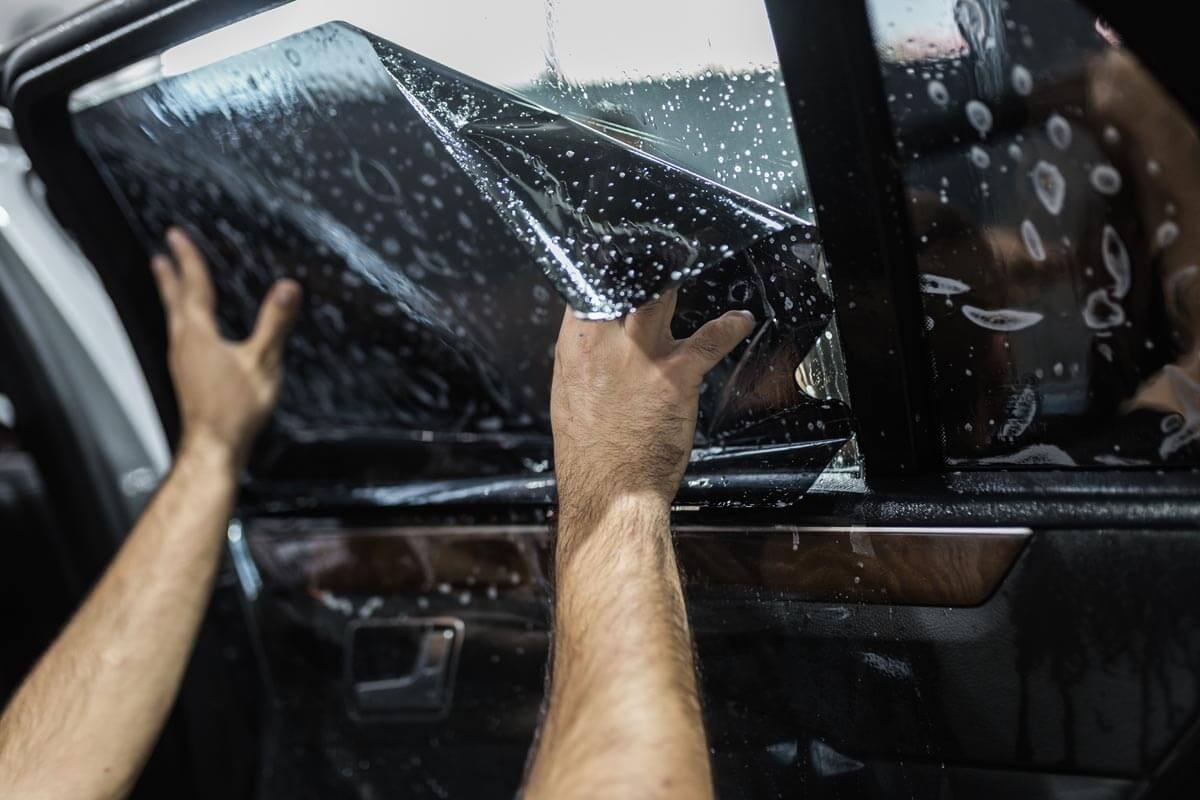
Window tint is a thin film applied to the interior surface of glass. Its job is not just to darken windows, but to selectively filter different types of solar energy.
Modern window films are designed to:
- Block a high percentage of infrared heat
- Reduce glare from visible light
- Filter out harmful UV rays
- Improve overall thermal comfort
The effectiveness of a tint has less to do with how dark it looks and more to do with how well it rejects infrared radiation. This is why lighter, high-quality films can outperform darker, low-quality options when it comes to heat control.
What the Data Says About Heat Reduction
Multiple studies and manufacturer-backed tests show that quality window tint can significantly reduce heat gain.
Infrared rejection rates for advanced films often range between 50 and 80 percent. In practical terms, this means that more than half of the sun’s heat can be prevented from entering the space through treated glass.
In vehicles, interior temperature testing has shown that cars with tinted windows can remain 10 to 25 degrees cooler than untinted vehicles when parked in direct sunlight. While results vary based on film type, glass area, and weather conditions, the difference is consistently noticeable.
In residential and commercial settings, data indicates that window tint can lower interior surface temperatures near windows by as much as 15 degrees. This reduces hot spots, improves comfort near glass, and helps HVAC systems operate more efficiently.
Energy Efficiency and Cooling Costs
Keeping a space cooler is not just about comfort. It also has a direct impact on energy usage and costs.
When windows allow excessive heat inside, air conditioning systems must work longer and harder to compensate. By reducing solar heat gain, window tint can help shorten cooling cycles and reduce peak energy demand.
The International Window Film Association notes that window films can lower cooling costs by up to 30 percent in some environments. While actual savings depend on factors like climate, building design, and film quality, even modest reductions can add up over time.
For vehicle owners, the benefit shows up in reduced reliance on air conditioning, which can improve fuel efficiency and reduce wear on the vehicle’s cooling system.
Ceramic vs Traditional Films and Heat Performance
Not all window tints perform the same when it comes to heat rejection. Traditional dyed films absorb heat, which can limit their effectiveness and cause them to fade over time. Metallic films reflect heat more effectively but may interfere with electronic signals.
Ceramic films, on the other hand, use non-metallic, nano-ceramic particles to block infrared heat without affecting visibility or connectivity. Data consistently shows that ceramic films outperform dyed options in total solar energy rejection, even at lighter shades.
This is why many consumers looking for meaningful temperature reduction choose high-performance films and work with professional window tinting services that understand how to match the right product to the environment and goals.
Real-World Comfort Improvements
Beyond lab data and technical specifications, real-world comfort is where window tint proves its value.
In homes, occupants often notice that rooms with large windows feel more balanced in temperature after tinting. Furniture placement becomes more flexible, and spaces near windows are no longer avoided during the hottest parts of the day.
In vehicles, drivers experience cooler cabin temperatures, reduced glare, and less radiant heat from windows and dashboards. This makes driving more comfortable, especially during long commutes or peak summer months.
Commercial spaces also benefit, particularly offices and retail environments where temperature consistency improves employee comfort and customer experience.
Common Misconceptions About Cooling Benefits
One common misconception is that darker tint always means better cooling. In reality, visible darkness is not a reliable indicator of heat rejection. Some clear or lightly tinted films can block more infrared heat than darker films with lower-quality materials.
Another myth is that window tint completely eliminates the need for air conditioning. While tint significantly reduces heat gain, it works best as part of a broader comfort strategy that includes insulation, proper ventilation, and efficient HVAC systems.
Understanding these nuances helps set realistic expectations and ensures users see the full benefit of tinting.
Climate and Orientation Matter
The effectiveness of window tint also depends on environmental factors. Buildings with large south- or west-facing windows typically experience greater heat reduction after tinting because those windows receive the most intense sunlight.
Similarly, regions with hotter climates or longer sunny seasons tend to see more dramatic benefits compared to cooler or cloudier areas. However, even moderate climates can experience improved comfort and reduced glare with the right film selection.
Is Window Tint Worth It for Cooling?
From a data-driven standpoint, window tint clearly contributes to cooler interiors. Its ability to block infrared heat, reduce solar gain, and improve energy efficiency makes it more than just an aesthetic upgrade.
The key is choosing the right film and ensuring proper installation. High-quality materials combined with experienced installation maximize performance and longevity, ensuring the cooling benefits last for years.
Final Thoughts
So, does window tint really keep spaces cooler? The evidence says yes. Studies, temperature testing, and real-world experience all point to measurable reductions in heat and improved comfort across vehicles, homes, and commercial spaces.
While results vary depending on film type and environment, window tint remains one of the most effective and accessible ways to control solar heat gain through glass. When selected thoughtfully and installed correctly, it delivers tangible cooling benefits backed by data — not just perception.