
The Quiet Rise of Online Seafood Delivery: How Home Cooks Are Buying Fish in 2026
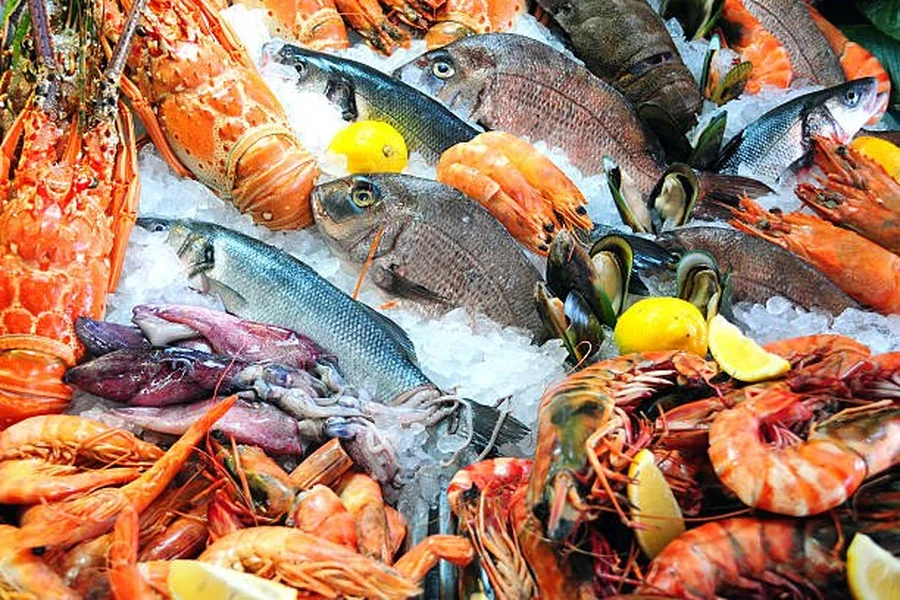
Seafood used to be the hardest category in the grocery basket. Anyone serious about eating fish regularly at home had to either live near a credible fishmonger, accept the narrow selection of a supermarket counter, or give up and order takeout. That picture has changed rapidly over the last five years. Direct to consumer online seafood, cold chain logistics, and flash freezing technology have combined to turn a category that once resisted e commerce into one of the fastest growing slices of the grocery delivery market.
Why Online Seafood Delivery Is Finally Working
Seafood is logistically unforgiving. It spoils fast, it bruises in transit, and consumers have learned to distrust anything fishy smelling before they have even unwrapped the package. Three shifts have made the online model viable at scale.
Flash freezing at source. Modern IQF (Individually Quick Frozen) technology drops fish and shellfish to very low temperatures within hours of catch or harvest. Done correctly, it preserves texture and flavour in a way that home freezers cannot replicate later. For most species, a properly flash frozen portion defrosted overnight in the fridge is indistinguishable from fresh at the table, and often better than what sits on a typical supermarket ice bed after three days in transit.
Insulated cold chain packaging. Reusable gel packs, vacuum insulated liners, and recyclable insulation panels now keep a properly packed box below safe temperatures for 24 to 48 hours in transit. Combined with scheduled delivery windows, the seafood arrives still frozen or cold at the consumer’s door.
Consumer familiarity with direct to consumer food brands. Grocery subscription boxes, meat boxes, and speciality grocers have trained consumers to expect chilled and frozen goods arriving by mail. Seafood, once considered too fragile for that model, now fits a pattern people already understand.
What Online Seafood Services Are Offering in 2026
The category has diversified. A quick taxonomy of the main models.
- Dedicated seafood subscription boxes. Weekly or monthly deliveries of a curated selection of fish and shellfish. Useful for households that want to eat seafood consistently but do not want to choose each item.
- On demand seafood marketplaces. Large online catalogues of individual species, letting the customer buy exactly what they want in the quantity they want. Closer to a digital fishmonger.
- Grocery platforms with seafood as a category. Broader grocery delivery services that include a seafood section alongside pantry, produce, dairy, and meat. Useful for households who want seafood as part of a wider weekly order.
- Species specialists. Focused on one or two high value species, such as wild Alaskan salmon or Maine lobster, usually with premium pricing and a direct from fishery narrative.
- Restaurant supply brands going direct. Traditional wholesale suppliers that have opened a consumer facing arm, offering chef grade product at slightly smaller portion sizes.
A household that cooks seafood twice a week will usually end up mixing categories. Subscription boxes for consistency, marketplace orders for specific recipes, grocery platforms for household staples, and specialists for occasion cooking.
How to Evaluate an Online Seafood Service
Seafood sits in a category where quality differences are large and not always visible from the product page. A short checklist separates serious providers from the rest.
- Origin and species transparency. The species should be listed by both common and scientific name where relevant, with harvest location clearly stated.
- Fishing or farming method. Wild caught, farmed, line caught, trap caught, trawled, and different aquaculture methods all have different implications for quality and sustainability.
- Freeze status on arrival. A credible service will state whether product arrives frozen, thawed, or fresh, and will commit to a cold chain standard.
- Sustainability certifications. MSC (Marine Stewardship Council) for wild caught, ASC (Aquaculture Stewardship Council) for farmed, BAP (Best Aquaculture Practices), and relevant national schemes.
- Nutrition and safety information. Mercury and contaminant testing, particularly for species like tuna, swordfish, and king mackerel that sit higher in the food chain.
- Packaging claims. Insulated liner material, recyclability, and any commitment to reducing single use packaging.
- Delivery model. Scheduled delivery windows, subscription pause options, and clear cut off times for weekly orders.
A service that cannot answer most of these from its own product pages is not transparent enough to be trusted on the rest.
Why Sustainability Actually Matters in This Category
Seafood is the category where consumer sustainability choices move the needle most directly. Overfishing, habitat damage from destructive fishing gear, and poorly managed aquaculture have real downstream effects on ocean ecosystems. A consumer who consistently buys MSC certified wild caught or ASC certified farmed seafood is voting with their order for harvests that stay within scientifically assessed limits.
Not every species needs a certification to be responsibly sourced. Some smaller fisheries operate credibly without the overhead of a formal standard. But in the absence of a deep personal knowledge of specific fisheries, certifications are the most practical proxy an ordinary consumer has. Services that take sustainability seriously make the relevant certification or sourcing story easy to see on each product. Services that use the word “sustainable” in marketing without specifics are asking consumers to take their word for it.
How to Build a Working Seafood Rotation at Home
A practical home model for eating seafood two to three times a week from a mix of online sources.
- One affordable, versatile mid fat fish. Wild caught cod, haddock, or pollock. Works across pan frying, oven baking, fish tacos, and chowders. Usually the most forgiving for home cooks.
- One higher fat fish. Wild Alaskan salmon, Arctic char, or mackerel. Better nutrient profile on omega-3s, more forgiving of slight overcooking, good for weekly rotation.
- One shellfish. Shrimp or prawns for everyday use, with scallops or mussels as an occasional upgrade. Shellfish that arrive IQF are particularly well served by the online model because the thaw and cook window is short.
- One convenience item. Breaded fillets, dumplings, or sauced ready to bake products for busy weeknights.
- Occasional upgrades. Specialist orders for occasions, whether that is whole sea bass, lobster tails, tuna steaks, or a seasonal delicacy.
This kind of rotation is what online seafood platforms are built for. It is also where they deliver the most real value against traditional grocery channels, which tend to rotate a narrower selection and offer fewer credible sustainability markers.
The Role of Broader Grocery Platforms
Not every online seafood purchase needs to go through a dedicated seafood specialist. Broader online grocers now carry credible seafood sections as part of larger delivery services.
Platforms in this broader category increasingly position themselves on sourcing transparency, sustainable packaging, and the convenience of ordering seafood alongside pantry and produce in a single delivery. Services such as Misfits Market, for example, allow customers to order seafood online alongside the rest of their weekly groceries, which lowers the friction for households who want seafood in the rotation without committing to a separate subscription. Whether a specific service is the right choice depends on the cuisine, the household’s weekly pattern, and whether the customer prefers a curated box or a la carte selection.
Common Mistakes When Ordering Seafood Online
A few patterns trip up new entrants to the online seafood model.
- Treating frozen as inferior. Flash frozen at source usually beats “fresh” that has been in transit for three days. The freeze status is less important than the freeze speed.
- Overordering in the first month. A full seafood freezer with no plan is a waste. Build a rotation before scaling up volume.
- Ignoring the thaw window. Most seafood benefits from slow overnight fridge thaw. A last minute counter thaw is where texture is lost.
- Skipping the cold chain check. Every delivery should be checked on arrival. Product that has partially thawed in transit needs to be cooked that day, not refrozen.
- Buying the cheapest option without asking why. In seafood, a big price gap usually reflects a sourcing, species, or cold chain difference. Understand the difference before defaulting to the cheap tier.
Frequently Asked Questions
Is frozen seafood worse than fresh?
Not usually. Flash frozen at source, stored consistently, and thawed correctly, frozen seafood is often better than supermarket fresh because the freeze happens hours after catch rather than days later at the end of a long distribution chain.
How long can seafood stay frozen at home?
Most fish holds quality well for two to three months in a home freezer, longer if vacuum sealed. Fattier species such as salmon and mackerel have shorter quality windows because the oils oxidise faster. Shellfish generally hold three to six months when well packed.
Can I refreeze seafood that arrived partially thawed?
As a rule, no. If product arrives warmer than it should, cook it that day. Refreezing partially thawed seafood compromises both texture and food safety.
Is online seafood delivery more expensive than a supermarket?
Not always. Mid tier online services are often comparable to supermarket prices once quality, portion size, and waste are considered. Premium species specialists are more expensive, and they are meant to be. The honest comparison is against a good fishmonger, not against the supermarket ice bed.
Are sustainability certifications reliable?
MSC, ASC, and BAP are all audited third party schemes and are the best available proxies for responsible sourcing in most cases. They are not perfect, but they are significantly better than unverified marketing claims. A service that shows the certification on each product is doing the minimum required to be taken seriously on sustainability.
Conclusion
Online seafood delivery has moved from novelty to normal. Flash freezing, better cold chain packaging, and mature direct to consumer logistics have solved most of the problems that kept seafood out of e commerce for years. Households that cook fish regularly now have a realistic choice between dedicated seafood specialists, broader grocery platforms with credible seafood sections, and species specific premium services. The ones who get the most out of the category are those who pick services with transparent sourcing, build a rotation they actually cook, and pay attention to the freeze status, species, and certifications rather than the marketing copy.